Commencement Ceremonies

Commencement Ceremonies

Commencement Ceremonies
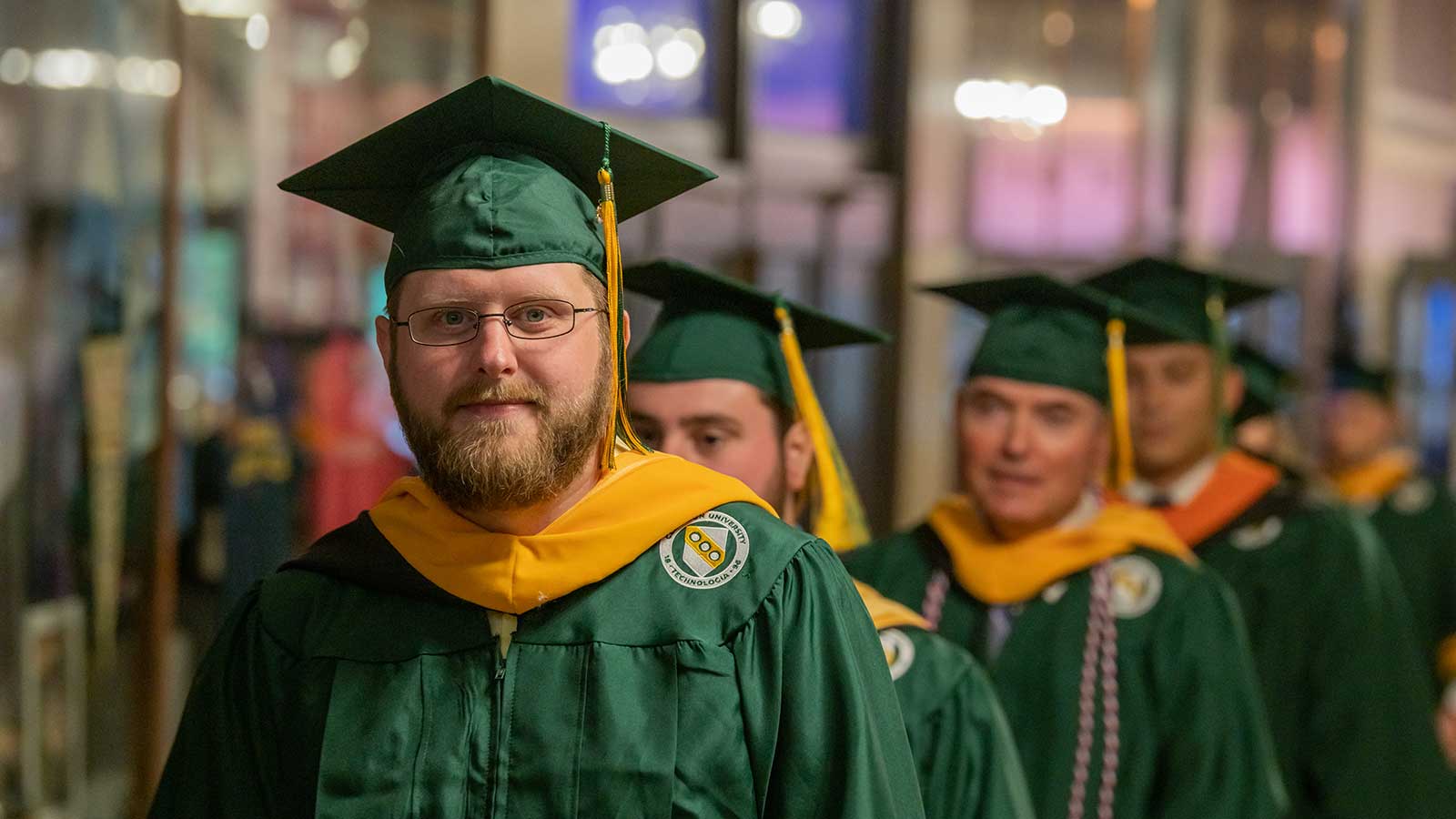
Clarkson University hosts several Commencement ceremonies per year. Eligible students are welcome to participate in ONE ceremony.

General Commencement Information:

  • Students will be sent information from Student Achievement Services (SAS) when they become eligible to graduate at one or more of the ceremonies.
  • Students are required to wear academic regalia at all Commencement ceremonies. Information on purchasing regalia will become available on each Commencement website.
  • At all ceremonies, graduates do NOT receive their diploma. Diplomas are mailed after the Commencement ceremony that the graduate participates in and successful completion of degree requirements.
  • For more information on each ceremony, please follow the links listed above.

For questions/information regarding your status to graduate, contact: 315-268-6451 | commencement@clarkson.edu

For questions regarding event logistics, contact: univevents@clarkson.edu

Clarkson Livestream Link

December Recognition Ceremony

Location: Potsdam, N.Y.
Eligible Degrees: Bachelor's, Master's and Doctoral

This ceremony takes place at the Schuler Indoor Recreation Center on Clarkson University's Potsdam campus at 11 a.m. It is open to eligible students in bachelor's, master's and Ph.D. programs. There is an 8 ticket limit for each graduate. This ceremony typically lasts approximately one hour with a celebratory reception before the ceremony for graduates and families in the same building.

More Information about the December Recognition Ceremony

Commencement Ceremony for Master's & Doctoral Degrees

Location: Potsdam, N.Y.
Eligible Degrees: Master's and Doctoral

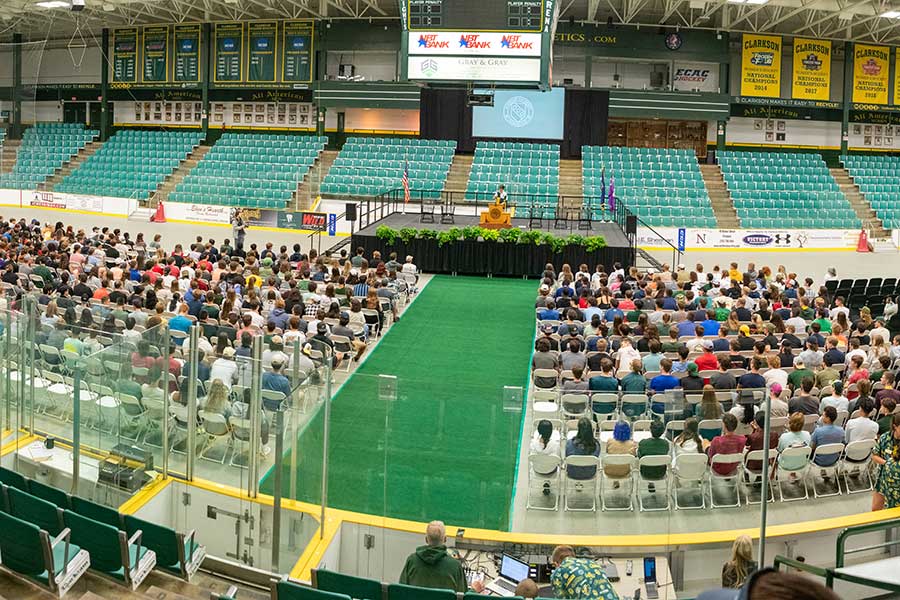
This ceremony takes place at Cheel Campus Center in Cheel Arena on Clarkson University's Potsdam campus at 6 p.m. It is open to eligible students in master's and Ph.D. programs only. There is no ticket requirement. This ceremony typically lasts approximately one hour and a celebratory reception follows.

More Information about the May Master's & Doctoral Ceremony

Commencement Ceremony for Bachelor's Degrees

Location: Potsdam, N.Y.
Eligible Degrees: Bachelor's

This ceremony takes place at Cheel Campus Center in Cheel Arena on Clarkson University's Potsdam campus. It is open to eligible students in bachelor's programs only. There is a SIX (6) ticket limit for each graduate, and all graduates must request tickets using myCU, students will receive notification when this form is available. Cheel Arena is at maximum capacity for this event. Ticket locations are assigned at random. This ceremony typically lasts approximately two and a half (2.5) hours. A celebratory reception is hosted directly following the ceremony.

More Information about the Undergraduate Commencement Ceremony
The Center for Rehabilitation Engineering, Science & Technology (CREST)

Center for Rehabilitation Engineering, Science & Technology (CREST)

Center for Rehabilitation Engineering, Science & Technology (CREST)

A Synergistic Approach

The Center for Rehabilitation Engineering, Science and Technology (CREST) educates, mentors and trains students to integrate and apply a combined scientific, analytical, technological and business approach to emerging biomedical engineering and biomedical science areas.

CREST is one of the five distinct yet related priority research and programmatic expansions funded by a $30 million grant — one of the largest gifts in the history of Clarkson University — from the Wallace H. Coulter Foundation.

We specialize in:

  • A balanced academic exposure to the medical, social and psychological aspects of disability and its remediation.
  • Current knowledge about the pathophysiology of disability and new research tools.
  • Analytical processes to model the impairment and its functional limitations.
  • The design and development of acceptable augmentation or replacement devices, strategies or concepts.
  • Real-world design, provisioning, marketing of and training in the use, psychology and sociology of such devices.

Contact Us

The Center for Rehabilitation Engineering, Science & Technology (CREST)

125 CAMP Building
Box 5720

Phone: 315-268-6528

Email: crest@clarkson.edu

I'm grateful for many things during my time at Clarkson, but the CREST lab is undoubtedly at the top of that list. I had taken many research and undergrad lab courses; however, the CREST lab allowed me to apply my engineering knowledge to investigate and solve complex biomedical problems. CREST connected the dots between many of my previous classes and taught me how to implement the short- and long-term goals needed to complete high-level research studies.

Austin Marshall '20 BS in Biochemistry, PhD candidate in Bioscience and Biotechnology

Research Focus

CREST's focus is spread across the Coulter School of Engineering and Applied Sciences and the Lewis School of Health and Life Sciences.

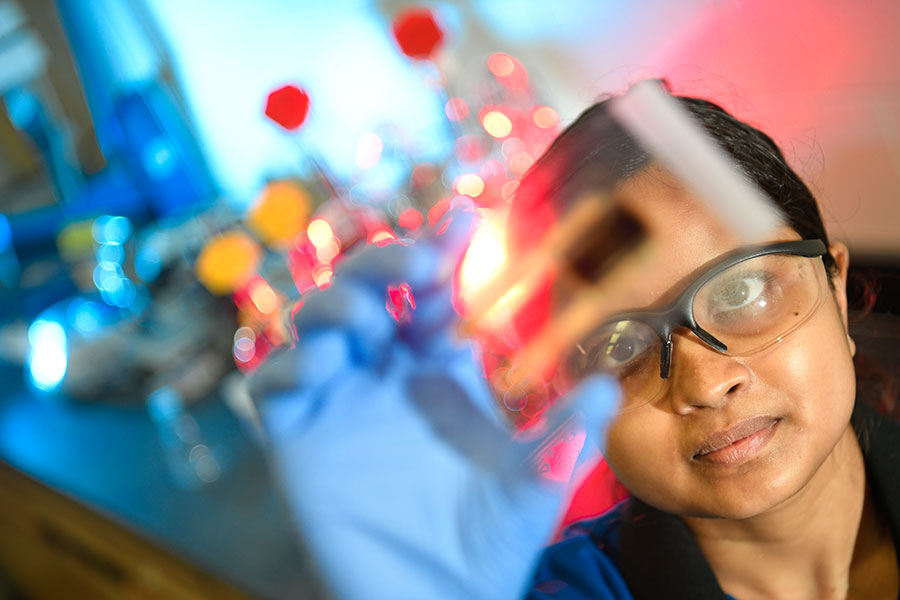
Stone working on research

Current Areas of Research

Areas of research include:

  • Neural engineering
  • Biomolecular engineering
  • Biosensors
  • Biosignal processing
  • Computational biology
  • Biomaterials
  • Bioinformatics
  • Biometrics
  • Bio-entrepreneurship
  • Tissue Engineering and Regenerative Medicine
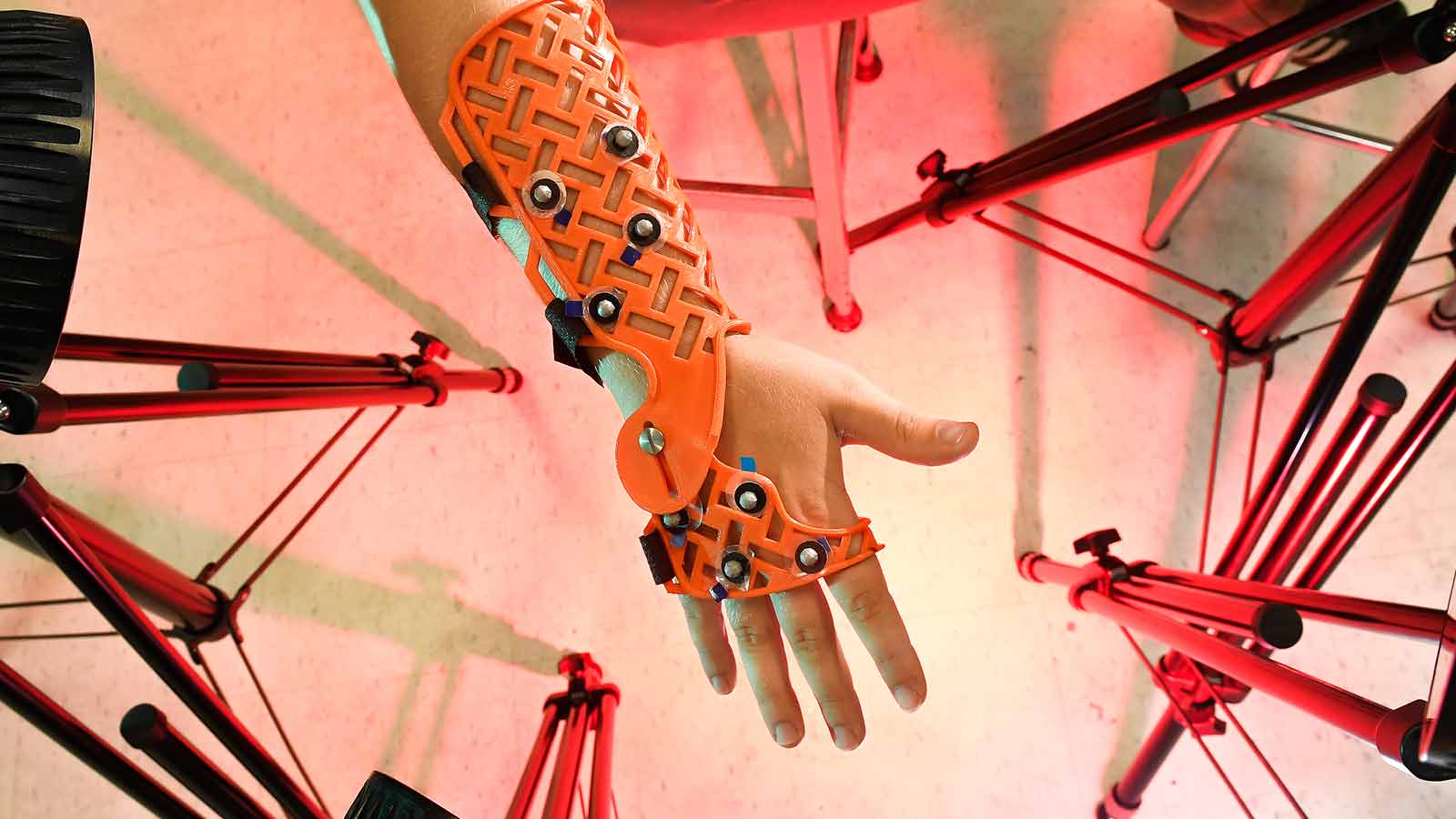
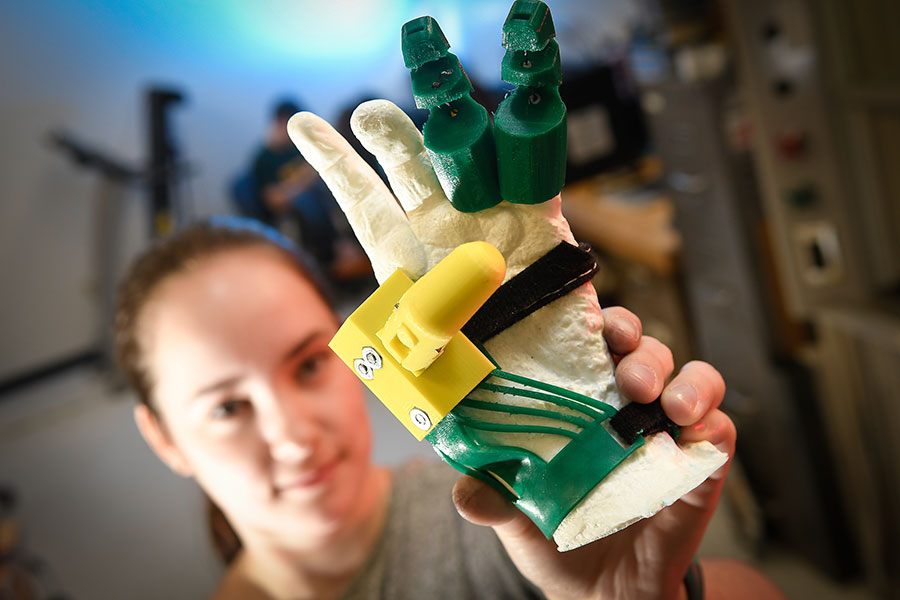
Student with a printed prosthetic

Rehabilitation Engineering

Rehabilitation engineering spans the entire engineering and research spectrum:

  • From basic science to mathematical models and sophisticated simulations/analyses.
  • From device design to clinical trials.
  • From mechanical, electrical, industrial and materials engineering to industrial design.
  • From measurement theory to human factors and quality control.
  • From clinical practice to the socioeconomic worth of technology.
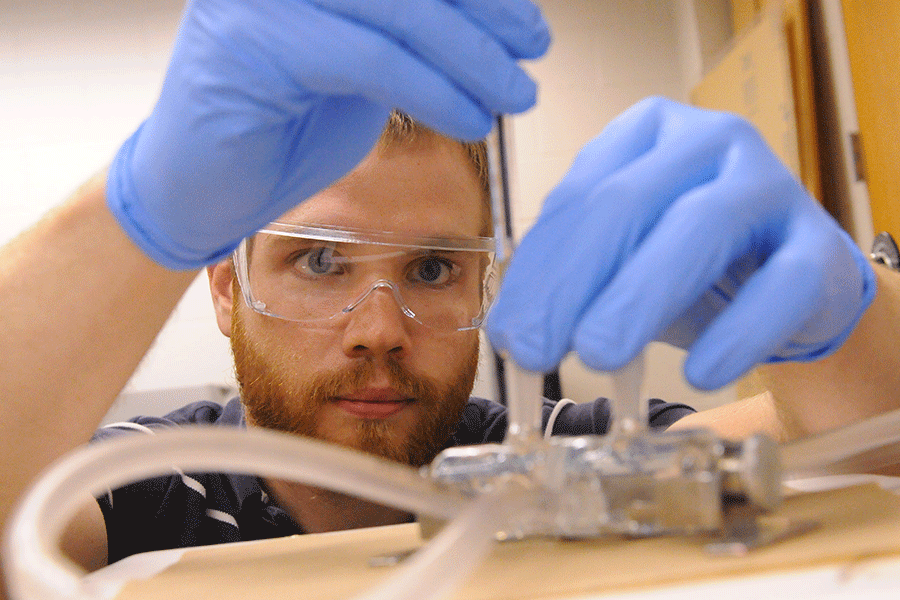
Student working in the biomolecular lab

Biomedical Engineering, Biomedical Science and Bio-Entrepreneurship

Our biomedical engineering/biomedical science focus leads to a unique and synergistic approach, especially when entrepreneurship is added as a key ingredient.

  • We focus on current science, engineering, technology and the marketplace.
  • Students at Clarkson receive sought-after cross-disciplinary training.
  • CREST is a university-wide endeavor, crossing the purview of all the major schools and centers.
  • Bio-entrepreneurship partners engineering senior design capstone courses with the Reh School of Business.

My most defining experience at Clarkson has been my engagement in the labs. I was given the opportunity to both participate in and lead research that furthered my understanding of my chosen topics. I was able to get hands-on project design exposure to real-world problems in both my graduate and undergraduate careers. Not only did this educate me, it also allowed me to directly contribute to my field of interest.

Camilla Ketola '21, BS in Biology, BS in Computer Engineering MS Candidate in Electrical Engineering

Center for Air and Aquatic Resources Engineering & Sciences (CAARES)

Center for Air and Aquatic Resources Engineering and Sciences (CAARES)

Center for Air and Aquatic Resources Engineering and Sciences (CAARES)

Addressing Complex Environmental Challenges

The Center for Air and Aquatic Resources Engineering and Science (CAARES) at Clarkson University is a state-of-the-art analytical instrumentation facility capable of performing trace level organic contaminant analyses. 

The facility houses numerous chromatography-mass spectrometry-based instrumentation capable of analyzing both polar and non-polar organic contaminants. CAARES has modernized legacy pollutant measurements by developing efficient sample processing and analysis procedures.  

CAARES has also developed non-targeted analysis (NTA) techniques with the use of state-of-the-art systems such as GCxGC-HRMS as well as the development of in-house data mining software tools. CAARES is also a leader in the analysis of PFAS and is a DoD-ELAP and New York State certified laboratory for EPA Method 1633. CAARES operates as a core facility providing research support for both internal and external researchers.

Current and Recent Research

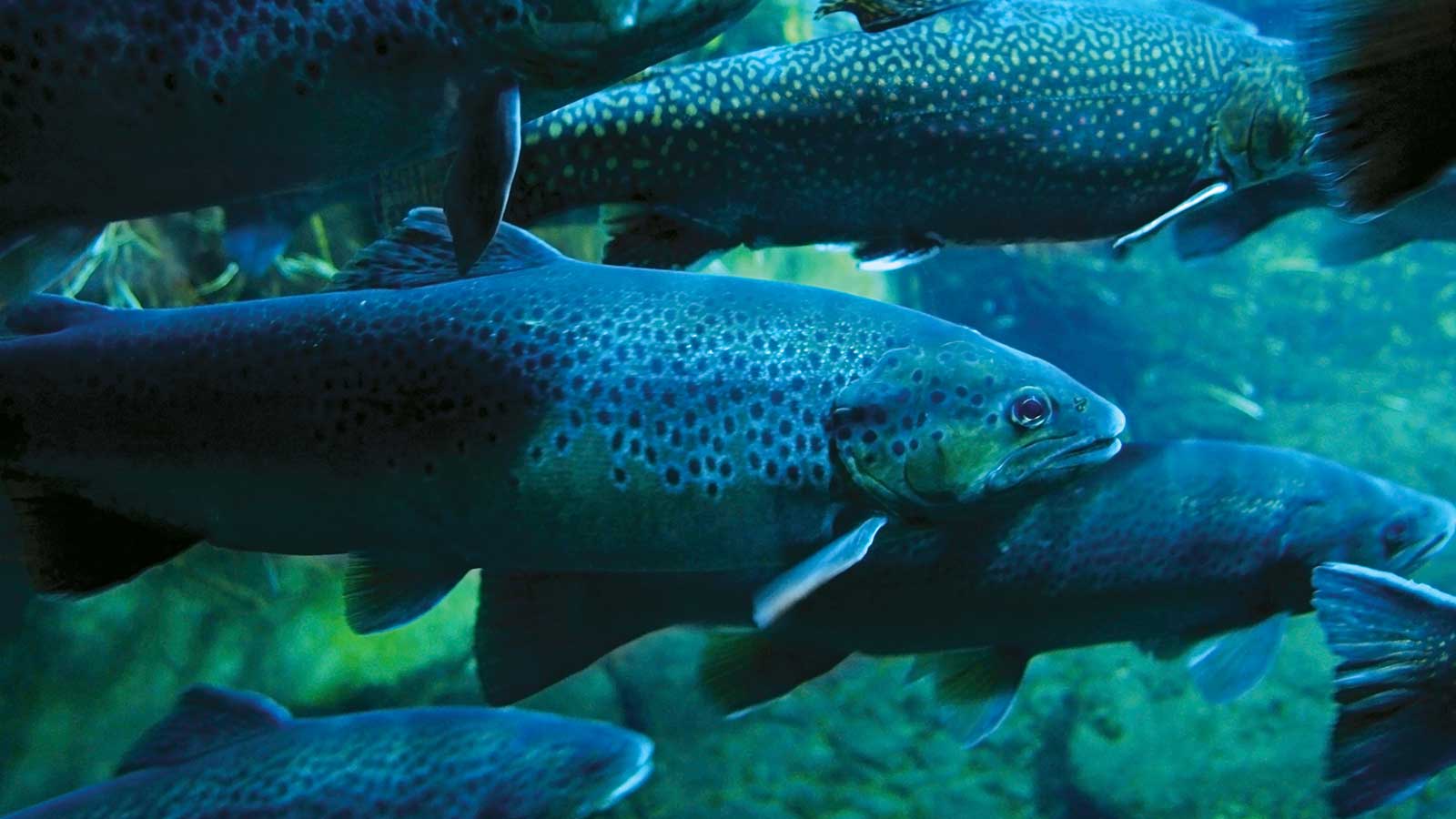
Great Lakes Fish Monitoring and Surveillance Program

This program is the revision of a program started in the 1970’s with the objective of monitoring fish contaminants in the Great Lakes. In this program, the sampling has been simplified, and additional emphasis has been placed on identifying emerging contaminants that may pose a risk to the Great Lakes. Clarkson has operated this program since 2005, and we have modernized legacy pollutant measurements by developing efficient sample processing and analysis procedures. Some of the legacy pollutants analyzed include PCBs, PBDEs, and dioxins/furans whereas emerging contaminants include PFAS, hexabromocyclododecane (HBCDD) and chlorinated paraffins (Cl-Pars). CAARES has also developed non-targeted analysis (NTA) techniques to further enhance the program with the use of state-of-the-art systems such as GCxGC-HRMS as well as the development of in-house high-resolution MS data mining software tools. We have also enhanced the program by developing working relationships with laboratories from other federal agencies, states and countries.

Toxic Chemical Signatures in Eastern National Parks Sports Fish

The National Parks represent some of the most pristine and protected landscapes in the     United States; however, they are not immune to the impacts of anthropogenic contaminants. CAARES has been collaborating with the National Park Service to assess the occurrence and impacts of both legacy contaminants, such as polychlorinated biphenyls (PCBs) and pesticides, emerging contaminants such as per- and polyfluoroalkyl substances (PFAS), and novel contaminants in sport fish from Eastern National Parks.

Impact of PFAS on the marine food webs in a New England estuary

 CAARES has been collaborating with researchers from Dartmouth college to investigate the pattern and profiles of per-and polyfluoroalkyl substances (PFAS) bioaccumulated in lower trophic level marine organisms and transferred to higher trophic levels in marine food webs and to determine toxicity of less studied PFAS compounds.

Center of Excellence for Healthy Water Solutions

In collaboration with researchers from Clarkson University and SUNY College of Environmental Science and Forestry (SUNY ESF), CAARES continues to provide analytical support for monitoring environmental contaminants, including per- and polyfluoroalkyl substances (PFAS) and microcystins. These efforts focus on monitoring contaminants on water bodies, biota, and avian species, helping to better understand contaminant transport, environmental fate, and potential ecological risks.

1,4-Dioxane in Consumer Products

CAARES has been working with the New York State Department of Environmental Conservation (NYSDEC) for several years to analyze 1,4-dioxane, a potential human carcinogen, in a variety of consumer products. This work supports regulatory efforts to identify sources of exposure, evaluate compliance with state regulations, and protect public health by reducing the presence of this contaminant in products used by consumers.

CAARES supplies analytical services to a variety of customers including faculty from Clarkson, faculty from other universities, environmental consulting firms and start-up companies.

Contact Us

Thomas Holsen, CAARES Director: tholsen@clarkson.edu
Sujan Fernando, CAARES Lab Director: sfernand@clarkson.edu
Ling Zhang, Administrative Assistant: lzhang@clarkson.edu

Phone: 315-268-3851

About CAARES

Learn more about our research center's efforts and collaborations:

DoD-ELAP Accreditation

CAARES currently holds an ISO/IEC 17025:2017 and US Department of Defense Environmental Laboratory Accreditation Program certification for testing of PFAS using EPA Method 1633. CAARES routinely analyzes samples under the QA/QC requirements of this standard to produce high-quality data to support in-house research and external clients.

CAARES Equipment and Facilities

CAARES has analytical facilities that house a number of major instruments, as well as laboratory space specifically designed to support research. The analytical instrumentation is capable of analyzing for polar and non-polar organics along with metals and elements. The major types of instruments include liquid chromatography-mass spectrometry (LC-MS), Gas Chromatography-Mass Spectrometry (GC-MS, inductively coupled plasma-mass spectrometry (ICP-MS) and Ion Chromatography (IC)/Combustible Ion Chromatography (CIC) systems.

Capabilities

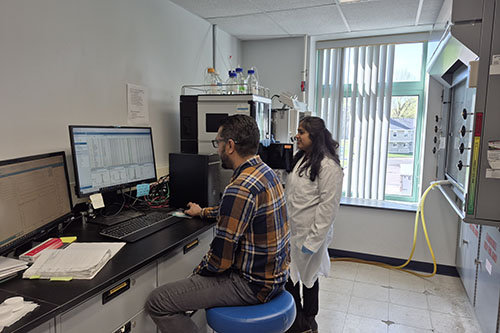
A Thermo Vanquish UPLC coupled to an Altis Triple Quadrupole Mass Spectrometer is available for targeted analysis of polar organic compounds in ESI or APCI modes. Instrument is typically used in Multiple Reaction Monitoring (MRM) mode for targeted analysis of polar organic contaminants including PFAS.

Image
Two researchers collaborating in a laboratory, with one sitting at a computer workstation and another standing in a white lab coat reviewing data on the monitor.

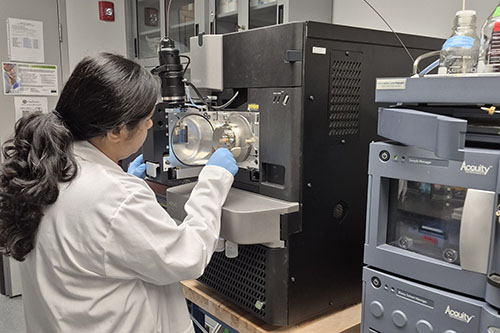
A Waters Xevo Absolute Triple Quadrupole LC-MS system is available for the targeted analysis of polar organic contaminants including PFAS.

Image
A researcher wearing a white lab coat and blue gloves adjusts the open ion source chamber of a large mass spectrometer in a university laboratory.

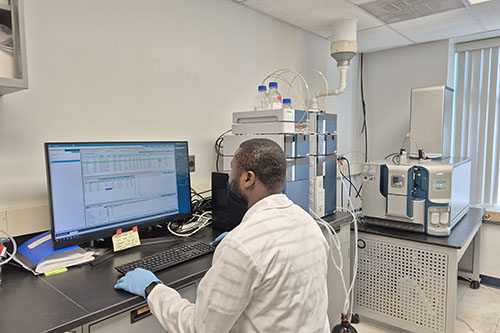
A Sciex X500B Quadrupole Time-of-Flight (QToF) High Resolution Mass Spectrometry is available for accurate mass measurement (>20,000 res). The instrument can be used for both small (contaminants, metabolites) and large (polymers, proteins) molecule analysis.

Image
A researcher wearing a white lab coat and blue gloves sits at a computer workstation, analyzing data next to a liquid chromatography mass spectrometry setup in a laboratory.

Single and Tandem Mass Spectrometry

Image
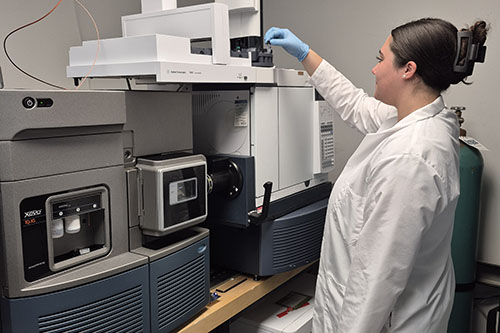
A researcher wearing a white lab coat and blue gloves places a sample vial into the autosampler tray of a high-performance liquid chromatography mass spectrometer in a lab.

An Agilent 7890GC coupled to a 5977A MSD (single quadruple) is available for targeted analysis of volatile compounds. This instrument can be used coupled to a liquid injector or to a headspace sampler. A Waters Xevo TQ-XS triple quadrupole system is available for targeted analysis using MRM mode. The instrument is coupled to a GC using an atmospheric pressure chemical ionization source which is a soft ionization technique that creates stable molecular ions compared to traditional electron ionization. Legacy contaminants such as Dioxins/Furans, PCBs, PCNs and OCPs are routinely analyzed using this system.


Two-Dimensional Gas Chromatography-High Resolution Mass Spectrometry (GCxGC-HRMS)

Image
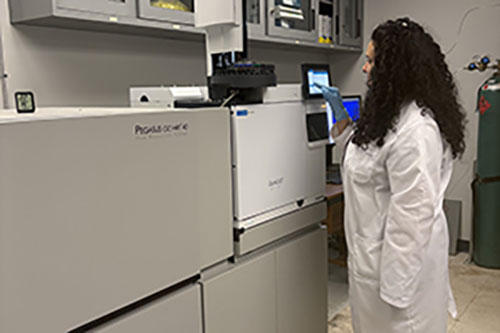
A researcher in a white lab coat and blue gloves operates a touchscreen on a large gas chromatography mass spectrometer instrument in a university laboratory.

A GCxGC-HRMS system (LECO Pegasus GC-HRT + 4D system) is utilized for the non- targeted analysis of volatile contaminants in complex environmental media. This state- of-the-art system combines enhanced chromatographic separation with accurate mass measurement to help identify novel contaminants. The instrument can be operated in both electron ionization and chemical (positive/negative) ionization modes.

Image
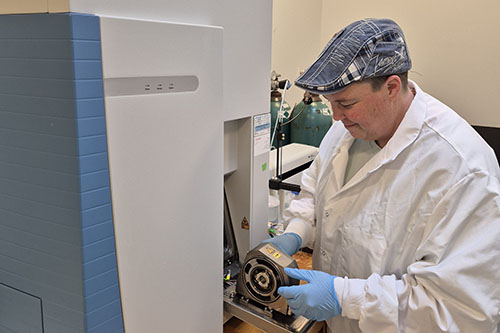
A researcher wearing a flat cap, white lab coat, and blue gloves works on a component of a large analytical mass spectrometer in a university lab.

A Thermo iCAP-RQ ICP-MS system is available for elemental/metals analysis. The instrument can be operated in kinetic energy discrimination (KED) mode to remove interfering polyatomic species. The instrument is used for both environmental and biological sample analysis.

Image
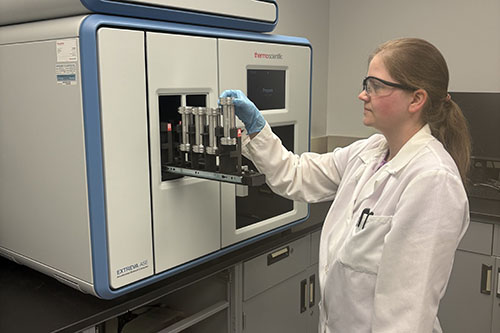
A researcher wearing a white lab coat, safety glasses, and blue gloves adjusts sample cylinders on an automated tray connected to a large analytical instrument in a laboratory.

A Thermo EXTREVA accelerated solvent extraction (ASE) system is available for the extraction of a wide range of samples. This fully automated system can be used for in-cell cleanup and evaporation of extracts. 

Automated SPE systems are available for cleanup of legacy contaminants including PCBs, Pesticides and Dioxins as well as emerging contaminants such as PFAS.


Image
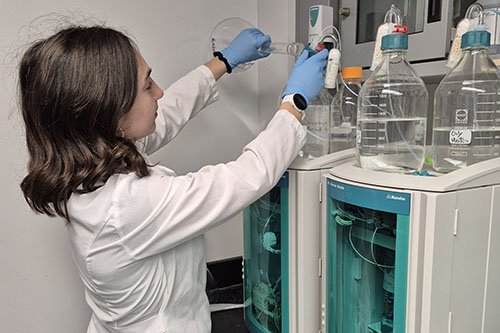
A researcher wearing a white lab coat and blue gloves carefully adjusts glass solvent bottles on top of an ion chromatography system in a university laboratory.

A Thermo Integrion IC is available for the analysis of cations and anions. A CIC from Metrohm is available for Fluorine measurement including extractable organic fluorine (EOF).

A Milestone DMA-80 is available for mercury analysis. Biological samples such as fish tissue and hair are routinely analyzed.

A Shimadzu TOC-L is available for the analysis of total organic carbon. 

A Shimadzu LC-2040C HPLC is available with a photodiode array (PDA) detector. The instrument is used for analysis of polar organic compounds.

Faculty and Staff

Many faculty from different departments collaborate with CAARES. In addition, we work closely with the Institute for a Sustainable Environment, where we also have faculty appointed.

Meet Our Faculty and Staff

Research Centers and Labs

Research Centers and Labs

Research Centers and Labs

Our Facilities

The Clarkson community utilizes a variety of state-of-the-art facilities to conduct impactful research in electronics, aerospace, biotechnology, health, safety and security, mechanical systems, energy generation, storage and manufacturing technology and sustainable development.
 

Research Centers

Clarkson University's Center for Advanced Materials Processing's (CAMP) supports companies interested in understanding and exploiting state-of-the-art, advanced, tailor-designed materials and processes to improve their products, solve manufacturing challenges, increase yield, lower costs and foster innovation.

Explore CAMP

The C3S2 mission is to encourage and facilitate research and educational opportunities in the area of complex, nonlinear, dynamical and adaptive systems. The C3S2 will foster collaboration from an interdisciplinary group of researchers to address important problems from a wide range of scientific, technological and engineering disciplines for the advancement of technology and humanity.

Explore C3S2

CAARES brings together world-class expertise, focusing on air and water sensing, sampling, physical and chemical analysis, fate and transport modeling and the application of computational fluid dynamics to air and water pollution problems.

Explore CAARES

The Center for Electric Power System Research (CEPSR)  provides high quality research and education programs that address the technological challenges of the transition to a clean, low carbon power grid. 

Explore CEPSR

CITeR is the only National Science Foundation (NSF) Industry/University Cooperative Research Center (IUCRC) focusing on serving its affiliates in the rapidly growing areas of identity science and biometric recognition through interdisciplinary group of faculty, researchers, and students.

Explore CITeR

The Center for Rehabilitation Engineering, Science and Technology (CREST) educates, mentors and trains students to integrate and apply a combined scientific, analytical, technological and business approach to emerging biomedical engineering and biomedical science areas.

Explore CREST

The Center of Excellence in Healthy Water Solutions is co-lead by Clarkson University and SUNY College of Environmental Science & Forestry. It delivers synergistic problem-solving on the wide range of water issues impacting New York State and beyond.  

Explore CoE HWS

Laboratories

Campus Location: CAMP 228
Faculty: Michael Bazzocchi
Description: The Astronautics and Robotics Laboratory explores advanced concepts and performs innovative and transformative research in science and engineering. ASTRO Lab trains high-quality researchers and engineers, develops new technologies, and provides novel solutions to problems in astronautics, robotics, and society.

Campus Location: Clarkson Science Center 250
Faculty: Erik Bollt
Description: We focus on applied dynamical systems, especially as informed from datasets, computation and experiments. This strongly overlaps with data science, big data, network science, inverse problem methods (including optimization), uncertainty quantification and Bayesian perspectives, information theory, machine learning and problems related to model reduction. Our interests in dynamical systems, data analysis and scientific computing have included both topical developments and pursuant scientific applications. This allows us to interact with scientists and problems in many exciting areas. Topical interests in dynamical systems and complex systems come through “data enabled science” that combines traditional applied mathematics and data analytics. Applications include oceanography, physiology, civil and mechanical engineering, bio-informatics, social science, mathematical biology, physics and brain science. Our sponsors have included the ARO, Office of Naval Research (ONR), Defense Advanced Research Projects Agency (DARPA), National Science Foundation (NSF), National Institutes of Health (NIH), NASA and the Department of Energy (DOE).

Campus Location: CAMP 275
Faculty: Chunlei Charles Liang
Description: The CHORUS Lab is a team for computational solar physics with main computer facilities located in CAMP 275. In the CHORUS lab,  fast and accurate computational codes were developed on unstructured grids for predicting convection and dynamo in stars and planets. The PI is an expert in the high-order Spectral Difference method for solving compressible flow equations. Both graduate and undergraduate students are trained to become computational scientists and engineers. Furthermore, the team is building a reduced-order modeling tool for predicting solar magnetic cycles. 

Explore CHORUS Lab

Campus Location: CAMP 275
Faculty: Chunlei Charles Liang
Description: The CMH Lab is a computational team with main computer facilities located in CAMP 275. In the CMH lab, both Large Eddy Simulation (LES) and Unsteady Reynolds-Averaged Navier-Stokes (URANS) techniques are used on unstructured grids. The PI is an expert in both the high-order Spectral Difference method and the pressure-based Finite Volume Method. Both graduate and undergraduate students are trained to become computational engineers for marine hydrodynamics and wind turbine aerodynamics. Furthermore, the team optimizes designs of canoe paddles, marine propellers, and wind turbines.

Campus Location: Clarkson Science Center 176G
Faculty: Andreas Wilke
Description: In the Evolution and Cognition Lab, we examine how natural selection has shaped the cognitive mechanisms underlying human decision-making behavior during periods of risk and uncertainty. We study how these mechanisms operate in areas such as risk taking, mate choice and foraging for food and information.

Campus Location: Science Center 170A
Faculty: Dipankar Roy
Description: This research lab is equipped with a broad range of modern instruments and facilities for quantitative electroanalytical characterizations of a broad range of functional materials and devices based on these materials. Research conducted in the lab is focused primarily on novel materials for electrochemical energy storage/conversion and semiconductor device fabrication. Electrochemical characterization techniques are frequently coupled with optical methods, such as surface plasmon resonance spectroscopy, as well as with CAMP-based analytical facilities of electron microscopy and X-ray diffraction. The Electroanalytical Characterization Lab provides comprehensive hands-on research opportunities to graduate and undergraduate students at Clarkson University. 

Faculty: Lisa Legault
Description: In the Motivation & Emotion Lab, we study how motivation affects social perceptions, relationships and behavior. We ask questions like "What type of motivation promotes the open-minded perception of others?" and "What is the best way to motivate people to reduce prejudice?". We examine these questions in relation to adaptive self-regulation, such as the regulation of bias and negative emotion.

Campus Location: Technology Advancement Center 103 & Schuler ERC 2012
Faculty: Elizabeth Pienkos
Description: Members of the Phenomenology Lab explore the subjective experience of mental disorders, as well as human experience more generally. By carefully examining what it is like to experience oneself, other people and the world, we may enhance our ability to predict, prevent and treat mental illness.

Campus Location: Science Center 262
Faculty: Michael Ramsdell 
Description: The Physics Team Design Lab provides first-year STEM students with advanced group projects designed around a challenging real-world laboratory design experience. Approximately 10% of the class is typically enrolled. Students usually work in groups of four throughout the semester to develop a model that can accurately predict the motion of a toy car traveling along an arbitrarily shaped track (Physics I) and the motion of an electric train powered by an arbitrary voltage source (Physics II). During the final week of the semester, groups compete to test the predictive capability of their models during a series of challenge sessions.

Campus Location: CAMP-CB2210
Faculty: Maria Gracheva
Description: This computational laboratory is equipped with several multicore workstations adapted for high performance computational work with the use of MPI (parallel computing) in a Linux environment. We develop physical computational models with both custom codes and commercial software. The research conducted on these workstations mostly deals with problems related to biotechnology and nanotechnology, such as the identification and characterization of biomolecules with nanopore-based solid-state devices, including DNA sequencing and nanoparticle’s characterization. Other projects include filtering, manipulation and separation of biomolecules and nanoparticles in general. Graduate and undergraduate students working in our lab learn about modern supercomputing, gain access to national computational resources through our lab and work at the cutting edge of computational nanotechnology, biophysics and computational modeling and simulation.

Campus Location: Near the Potsdam Airport
Faculty: Michael Ramsdell
Description: Clarkson's Reynolds Observatory is home to two telescopes. The 12-inch telescope is used for both bright star spectroscopy and narrow-field-of-view imaging. The smaller 5-inch telescope, which has a field of view slightly larger than the full moon, is used for wide-field-of-view imaging. The precision telescope mount enables long exposures necessary for observing deep-sky objects. Current projects include studying the time variability of various types of binary stars using both spectroscopy and photometry, as well as photometric studies of nebula in the search for emissions caused by polycyclic aromatic hydrocarbons.

Faculty: Tom Langen, Acting Chair
Description: In the Social Development and Health Psychology Research Lab, we examine how social pain negatively impacts mental and physical health, as well as how people determine when to offer help or express concern when they see someone experiencing health problems.

Faculty: Sean Banerjee and Natasha Banerjee 
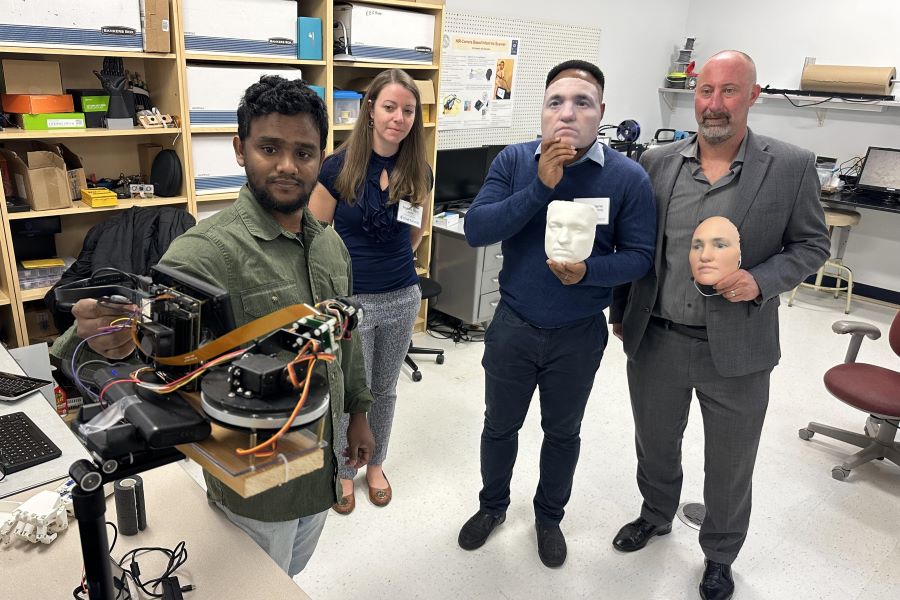
Description: The Terascale All-Sensing Research Studio (TARS) at Clarkson University, co-directed by Dr. Sean Banerjee and Dr. Natasha Banerjee, performs research in human-driven artificial intelligence, using capture and analysis of dense multi-person interactions in online and real-world environments. Research at TARS spans the fields of computer vision, linguistics, deep learning, robotics, computer graphics, human-computer interaction and software engineering. TARS has received Clarkson University's first NSF CISE Research Infrastructure grant, in the amount of $746,000 which is being used to build Clarkson's first markerless motion-capture facility. The studio has been fully designed and constructed by Dr. Sean Banerjee, Dr. Natasha Banerjee and student Nikolas Lamb. At full capacity the studio will house 240 high-speed cameras, 16 multi-modal sensors, 16 microphones, 16 thermal sensors and a dense array of force plates for full-range understanding of multi-person human interactions. The studio also houses multiple 3-D printers (both Cartesian and delta), 3-D scanners, VR systems and single-board computer-based capture systems. At any given time, the studio supports the research of 30+ undergraduate students who have gone on to receive internships and full-time positions at GE, Google, Epic, Ensign-Bickford Industries, AIS, Air Force Research Laboratory, CACI International, Kitware, SRC, Qualcomm, Veritas Prime, and Hewlett-Packard. Students have also had REUs (Research Experiences for Undergraduates) at Carnegie Mellon, Lehigh, TU Darmstadt and Temple and attended graduate schools, such as Duke, Lehigh and the University of Michigan.

Campus Location: CAMP 275
Faculty: Goodarz Ahmadi
Description: The TMFL is a virtual lab with main computer facilities located in CAMP 275. The primary objective of the TMFL is to provide a fundamental understanding of the mechanisms that control turbulent multiphase flows, including the transport, deposition and removal of particulate matter. The TMFL develops predictive models for the behavior of dilute and dense turbulent multiphase flows, including aerosols and granular flows. Another main goal is to provide a detailed understanding of the effect of particle shape and size on particle deposition and removal, as well as of the dynamics of multiphase systems.