Power Engineering Programs & Research

Power Engineering Research Strengths
Research areas aligned with the modern electric grid
Clarkson’s faculty and students work on challenges that matter now and will matter even more in the years ahead. Research and teaching strengths in power engineering include:
- Power system reliability and resilience
- Renewable and inverter-based resource integration
- Offshore wind and photovoltaic impacts on the grid
- Energy storage and flexible power resources
- Power system planning, operations and protection
- Modeling, simulation and analysis for complex electric networks
This work helps prepare students to contribute to a field that is changing rapidly and supports opportunities for sponsored research, cross-institutional collaboration and industry engagement.
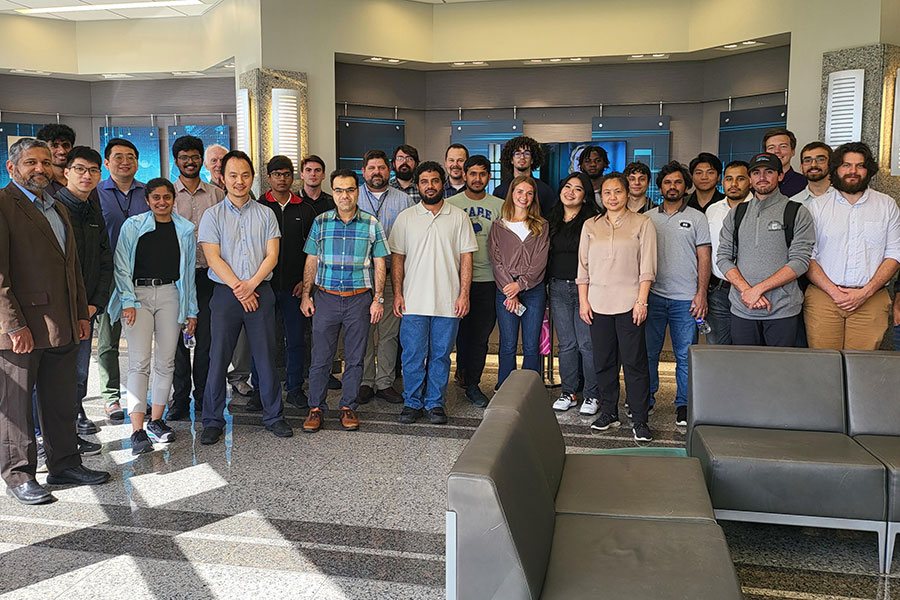
Center for Electric Power Systems Research (CEPSR)
Clarkson University’s Center for Electric Power Systems Research (CEPSR) is a national leader in electric power engineering education and research. Building on one of the top power engineering programs in the United States, CEPSR connects students with industry experts and cutting-edge research focused on clean energy, smart grids and electrification. Undergraduate and graduate students gain hands-on experience tackling real-world challenges like reducing carbon emissions and advancing sustainable energy systems. With strong industry partnerships and career-focused programs, Clarkson prepares future power engineers to lead the transformation of the global energy landscape.
Educational Pathways
Undergraduate Program Options
Electrical Engineering Major
Students interested in power engineering can begin with Clarkson’s Electrical Engineering bachelor's degree program and build toward electric power applications through upper-level coursework, laboratories, projects and applied experiences.
Electrical Power Engineering Concentration
This pathway offers a more specialized route for electrical engineering bachelor's degree students who want to focus more directly on electric power systems and related technologies through a professional concentration.
Power Engineering Research
Students from a variety of majors, minors and concentrations can take part in the many power engineering research projects unfolding at Clarkson, starting from their first semester.
Industry-Driven Seminars
Clarkson is partnering with prominent industry executives to launch a new one-credit seminar course, Introduction to Energy and Utilities, during the spring 2026 semester. The class will introduce students to both the technical and business aspects of the field and will be presented through the Center for Electric Power Systems Research (CEPSR). The public is invited to attend free of charge.
The weekly seminar will feature executive guest speakers who will cover a wide range of industry topics, including construction, power generation, transmission, distribution and industrial applications. Sessions will also address the evolving role of utilities in serving new types of power users, such as data centers.
Graduate Program Options
Power Systems Engineering Advanced Certificate
This 12 credit advanced certificate offers a focused option for learners who want targeted graduate-level expertise in electric power and power systems engineering.
Electrical and Computer Engineering Master's Program with Power Engineering Concentration
Clarkson’s electrical and computer engineering master’s degree program allows students to deepen technical knowledge in electrical and computer engineering while pursuing advanced work in power engineering through coursework and research.
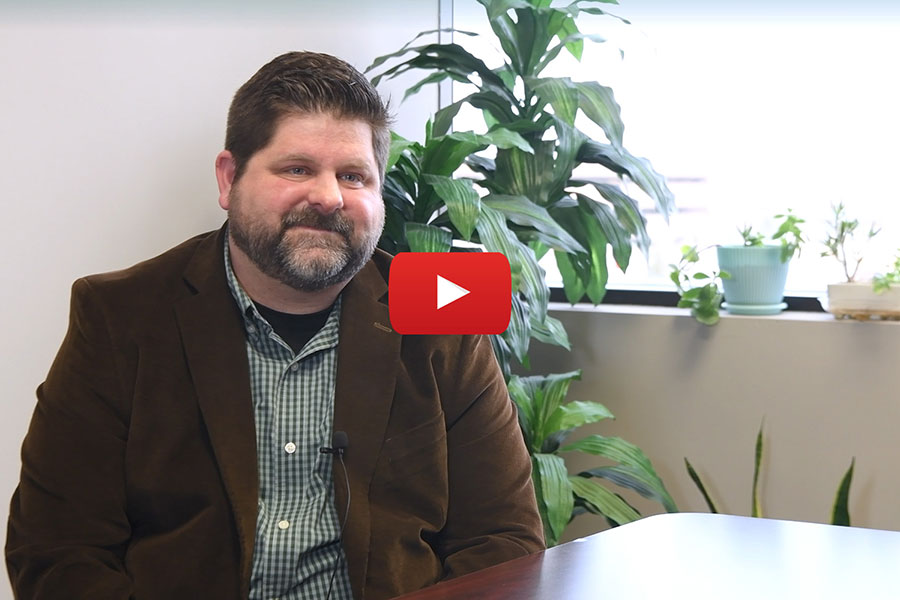
Watch this video explaining our Power Engineering Distance Learning Cohort Program
Electrical and Computer Engineering Ph.D. Program
Students in the electrical and computer engineering doctoral program can pursue original research in power systems and related fields with close faculty mentorship and opportunities to address major challenges in the future of the grid.
Industry Engagement & Partnerships
A strong platform for collaboration
Clarkson’s power engineering community offers meaningful ways for outside organizations to engage. Corporate partners, research collaborators and donors can help shape the next generation of engineers while advancing shared goals in innovation, talent development and applied problem solving.
Opportunities for engagement
- sponsored research
- capstone and student project support
- internships and co-ops
- guest lectures and industry mentoring
- laboratory and equipment investments
- student scholarships and program support
Board Members
In 2018, Clarkson established the Center of Electric Power System Research (CEPSR) to advance and promote research, education, and outreach activities between Clarkson and the industry with board members including:
- Yonghong Chen, Chief Scientist, Grid Planning and Analysis Center, NREL
- Frank Peverly, Market Segment Leader, CHA
- Casey Kirkpatrick, Director, Group Strategic Engineering (NY), National Grid
- Carl Terry, Consultant, Nuclear Power Industry
- Robb Pike, Vice President, Market Operations, NYISO
- Nathan Cote, Manager, P&C Engineering Projects, Eversource
- Dan Lorden, Principal, DJL Energy Consulting, LLC
- Andrew Boulais, Regional Manager and SVP- Northern New York, New York Power Authority
Industry Partnerships
We are proud to partner with the power industry for research and educational initiatives. Currently, professional engineers/employees from the following organizations have been enrolled in our online, cohort-based Master's program in power engineering.
- Avangrid
- Central Hudson Gas and Electric
- CHA Consulting Inc.
- Con Edison
- Eversource Energy
- FMP - Knolls Atomic Power Laboratory
- General Dynamics Electric Boat
- ISO New England
- Los Alamos National Laboratory (LANL)
- Microsoft
- National Grid
- New York Independent System Operator (NYISO)
- New York Power Authority
- NYS Electric & Gas / Avangrid
- Orange & Rockland Utilities
- Pacific Northwest National Laboratory
- Plug Power
- RLC Engineering
- Rochester Gas & Electric / Avangrid
- TRC Companies
- U.S. Department of Energy
Career Possibilities
Earning a degree in electrical & computer engineering with a concentration in power engineering can boost your job prospects, creating new career opportunities and the potential for higher earnings.
Today, all electrical engineers are in demand throughout many areas of the economy, including:
- Commissioning and operations engineering
- Distribution system planning
- High voltage engineering
- Photovoltaic power
- Power electronics converter design
- Power equipment and control design
- Transmission system planning
- Wind energy systems
Below are common job titles for our graduates:
- Bulk power system operator
- Commissioning engineer
- Congestion analyst
- Consulting engineer
- Control and protection engineer
- Data center project manager
- Distribution planning engineer
- Electric power systems engineer
- Market design specialist
- Power supply engineer
- Product development engineer
- Substation design engineer
- Transmission engineer
Power Engineering In Action
Furthering Career Opportunities
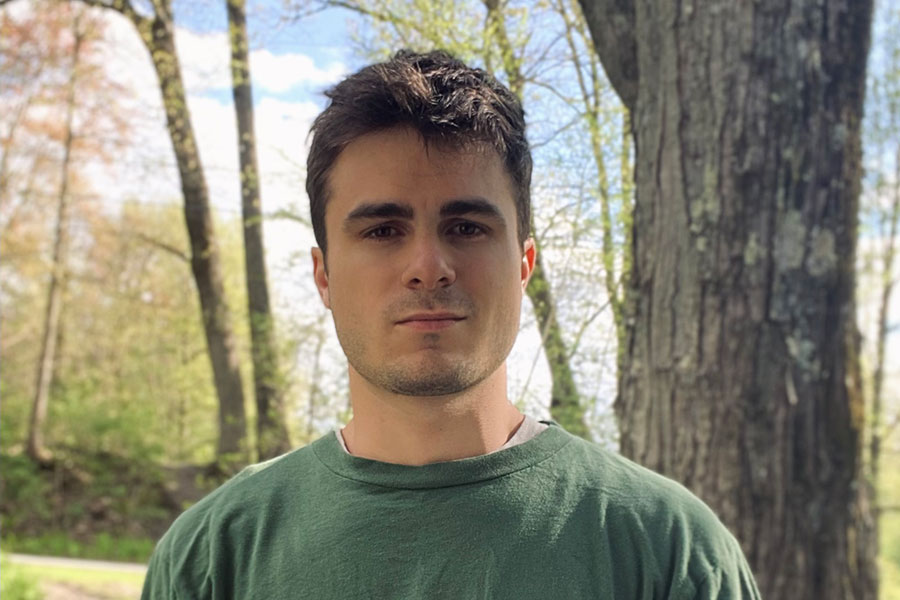
Isaac Ashdown, a graduate student in Clarkson’s online MS in Electrical Engineering (Power Systems Cohort) program, is already applying what he’s learning to his full-time engineering career at National Grid. “I knew earning a master’s degree from such a reputable university would open career opportunities that might have otherwise been out of reach.” From synchronous lectures to cohort collaboration, Isaac is proving that flexible online learning can still be highly connected and career-changing.
Spotlight on: The Hammam Award
Professor M.S.A.A. Hammam joined Clarkson in the 1960s and played a pivotal role in modernizing its power engineering program, which has supported the power industry for more than six decades. The M.S.A.A. Hammam Memorial Fund was established to honor his lasting contributions to both Clarkson and the broader power engineering community.
The 2026 Hammam Awards were recently bestowed upon two students on campus in April 2026. In attendance were Carl Terry '70, the Hammam Fund lead donor; Prof. Tom Ortmeyer, representing the Hammam Fund committee; Ryan Yakush '15, a previous Hammam Award recipient from 10 years ago; Orion DeLisle '26 and Owen Emerich '25, the most recent awardees; and Profs. Jianhua Zhang and Leo Jiang, representing the Clarkson power engineering faculty.