
Clarkson Researchers Report Breakthrough in PFAS Destruction
Researchers at Clarkson University have reported a breakthrough in tackling per- and polyfluoroalkyl substances (PFAS), a group of widely used “forever chemicals” that are difficult to remove from water and have raised growing environmental and public health concerns.
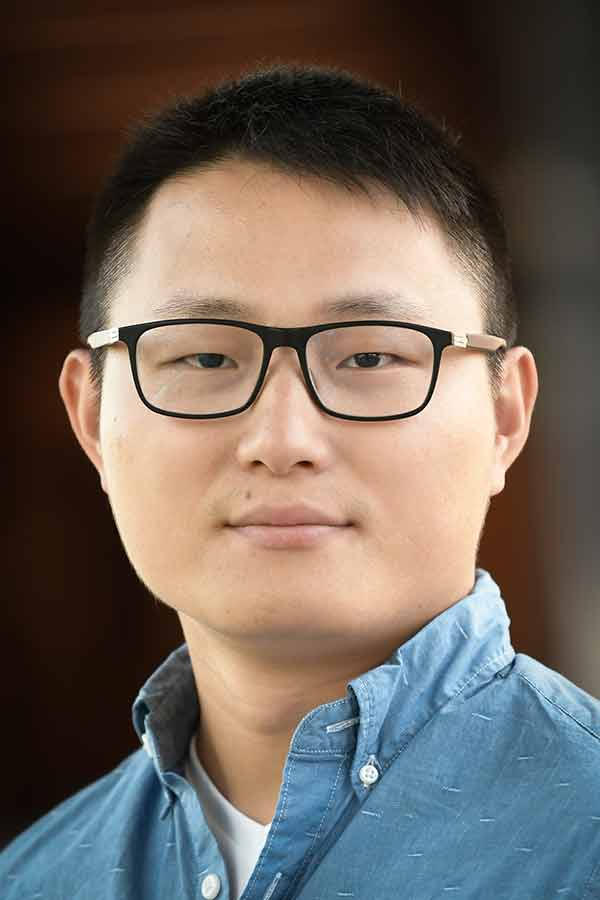
The study, published in Nature Communications, was led by Associate Professor Yang Yang and his team in the Department of Civil and Environmental Engineering. It presents a new method for breaking down PFAS that could improve the treatment of contaminated water in real-world conditions.
PFAS persist in the environment because of the strength of the carbon-fluorine bond, one of the strongest in chemistry. This makes the chemicals highly resistant to conventional treatment methods. Rather than relying on traditional approaches that attempt to oxidize, or “burn off,” PFAS under harsh conditions, the Clarkson team developed a milder, more targeted strategy.
The approach uses a specially designed material that combines light and electricity. The material first attracts and concentrates PFAS on its surface, then breaks the carbon-fluorine bonds using high-energy electrons generated by light. The method was effective in complex water environments, including concentrated brine streams and water contaminated by firefighting foam, without producing harmful byproducts.
The study also shows that the technology can be scaled beyond the laboratory. Researchers demonstrated reactor designs that could be adapted for larger treatment systems and practical use.
“This work shows that we can rethink how we destroy PFAS,” Yang said. “Instead of forcing harsh oxidative conditions that may produce unintended byproducts, we designed a system that uses cathodic adsorption and a unique hot-electron mechanism to eliminate PFAS under milder conditions.”
The research was a collaboration among Clarkson University, Arizona State University, and Yale University. Clarkson doctoral students Yunqiao Guan and Xiaotian Xu, along with Arizona State doctoral student Jain Ankush, were co-first authors. Professor Christopher Muhich of Arizona State University was the co-corresponding author.
The full study is available in Nature Communications.