Clarkson University Receives $1 Million From Gates Foundation for New Water Treatment Projects
Clarkson University has received $1 million from the Bill & Melinda Gates Foundation to create new water treatment systems for homes.
The funding will support two projects focused on improving how wastewater is cleaned and reused at the household level.
The first project aims to upgrade traditional septic systems. Most homes with septic systems send all wastewater into one tank. Clarkson’s new system will treat water from toilets, showers, sinks, and laundry in a smarter, more efficient way. The goal is to safely clean the water so it can be reused for non-drinking purposes, such as flushing toilets or watering plants.
The new system will use electric-powered technology instead of relying mostly on biological processes. This could reduce water use and lower the strain on aging infrastructure. In addition, the system is designed to remove and recover phosphorus from septic wastewater, thereby mitigating nutrient discharge to receiving waters and reducing the risk of harmful algal blooms.
As part of the project, Clarkson will build a new testing facility on its Potsdam campus. The test system will be designed to treat between 100 and 300 gallons of wastewater per day, about the amount used by one household. Researchers will study how well the system removes waste, recovers nutrients, and disinfects water.
The second project will develop a system that creates its own treatment chemicals using air and electricity. By making these chemicals on-site, the system would not need regular chemical deliveries. This could make it easier to use in rural or remote areas.
“These projects focus on making water systems safer, cleaner, and more independent,” said Associate Professor Yang Yang. “In rural areas such as Upstate New York, where homes depend on septic systems and sensitive lakes and rivers are nearby, upgrading household treatment is critical. At the same time, this work aligns closely with the Bill & Melinda Gates Foundation’s vision of advancing safe, decentralized sanitation systems in developing regions. By creating scalable, electrified treatment technologies that operate reliably at the household level, we aim to support global efforts to expand access to safe water and sustainable sanitation.”
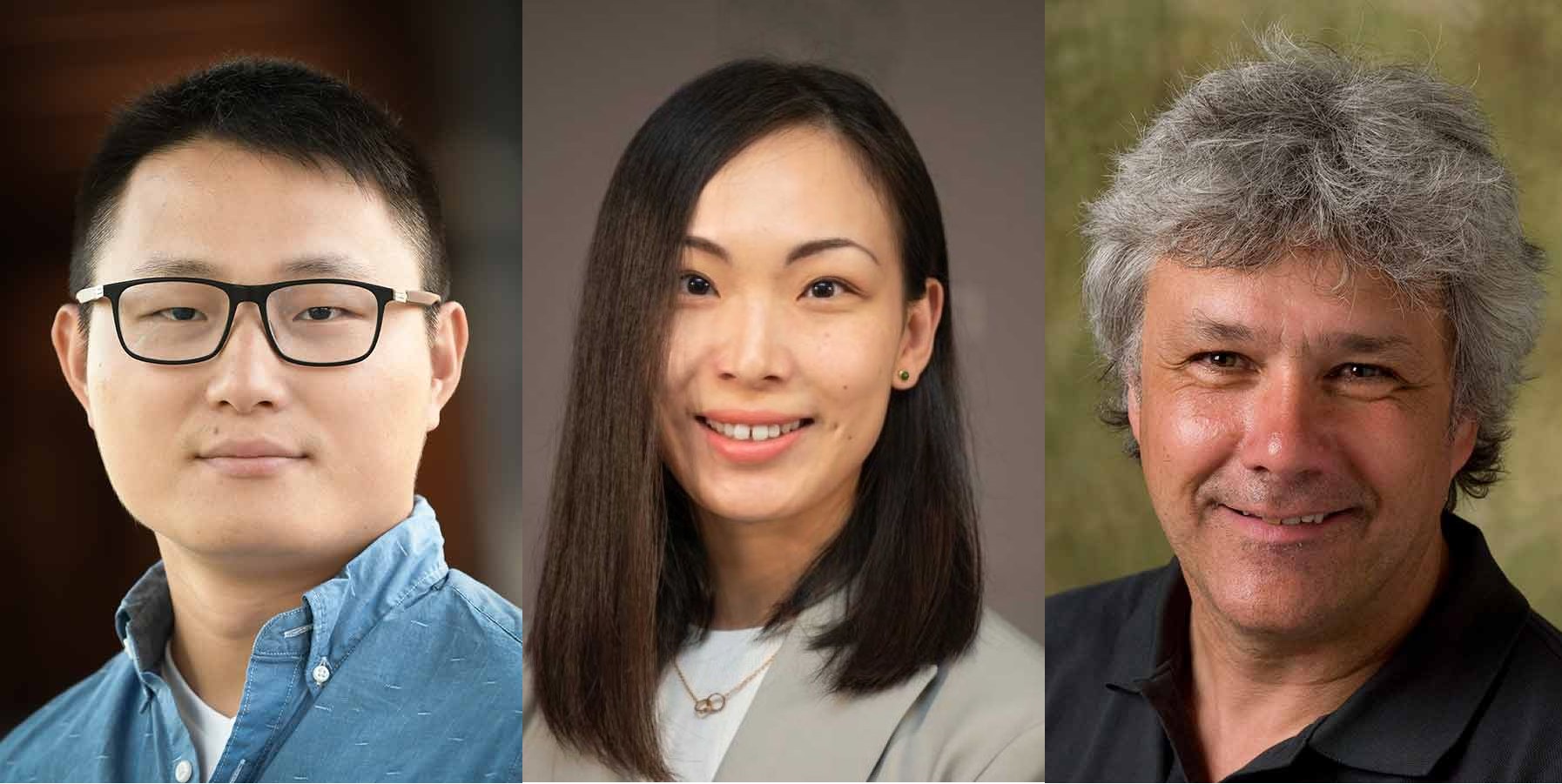
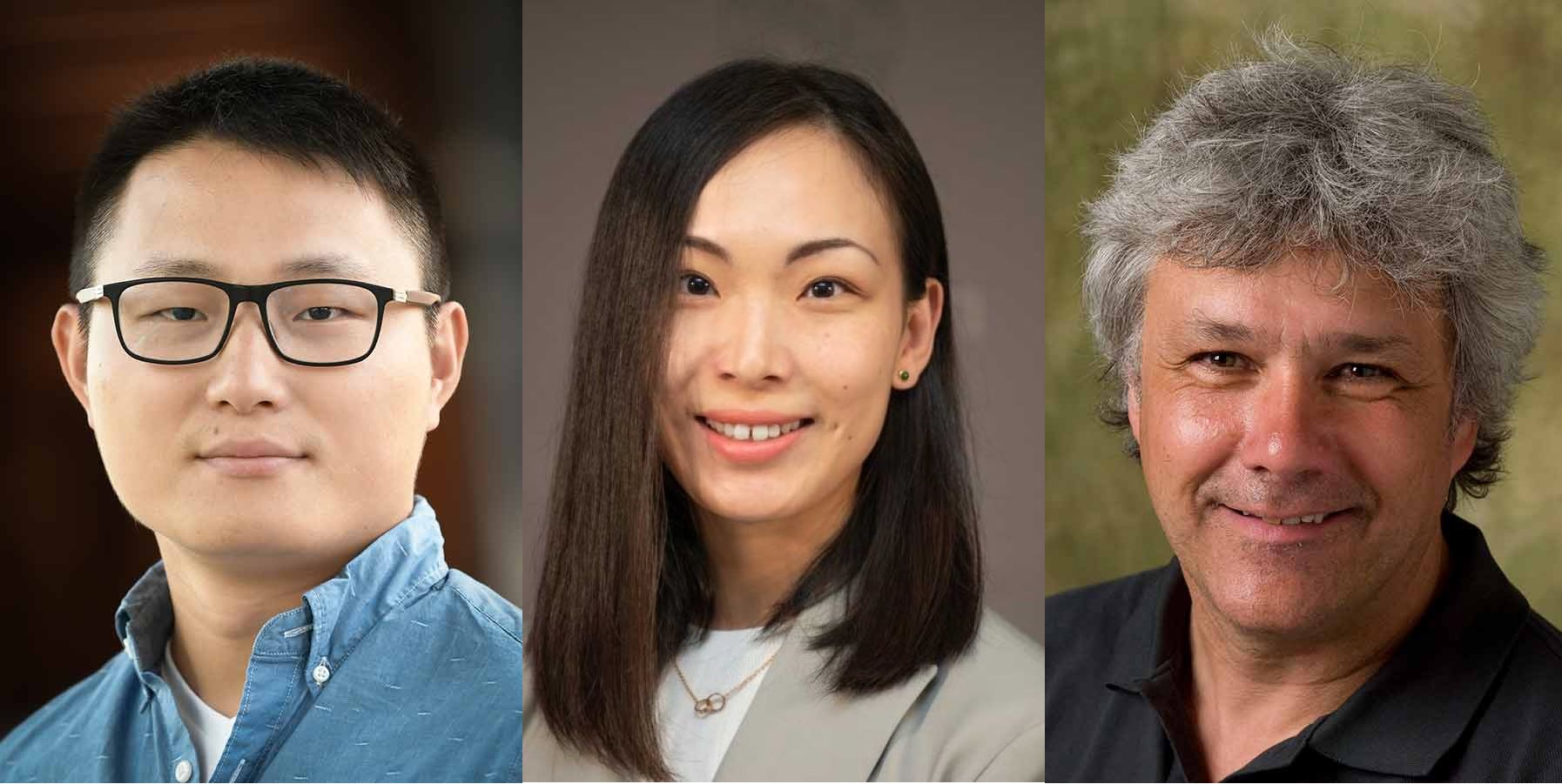
At Clarkson, the work is led by faculty from Clarkson’s Civil and Environmental Engineering Department, including Associate Professor Yang Yang, along with co-principal investigators Research Professor Stefan Grimberg and Assistant Professor Siwen Wang. The project includes partners from Rice University, Arizona State University, and Duke University.