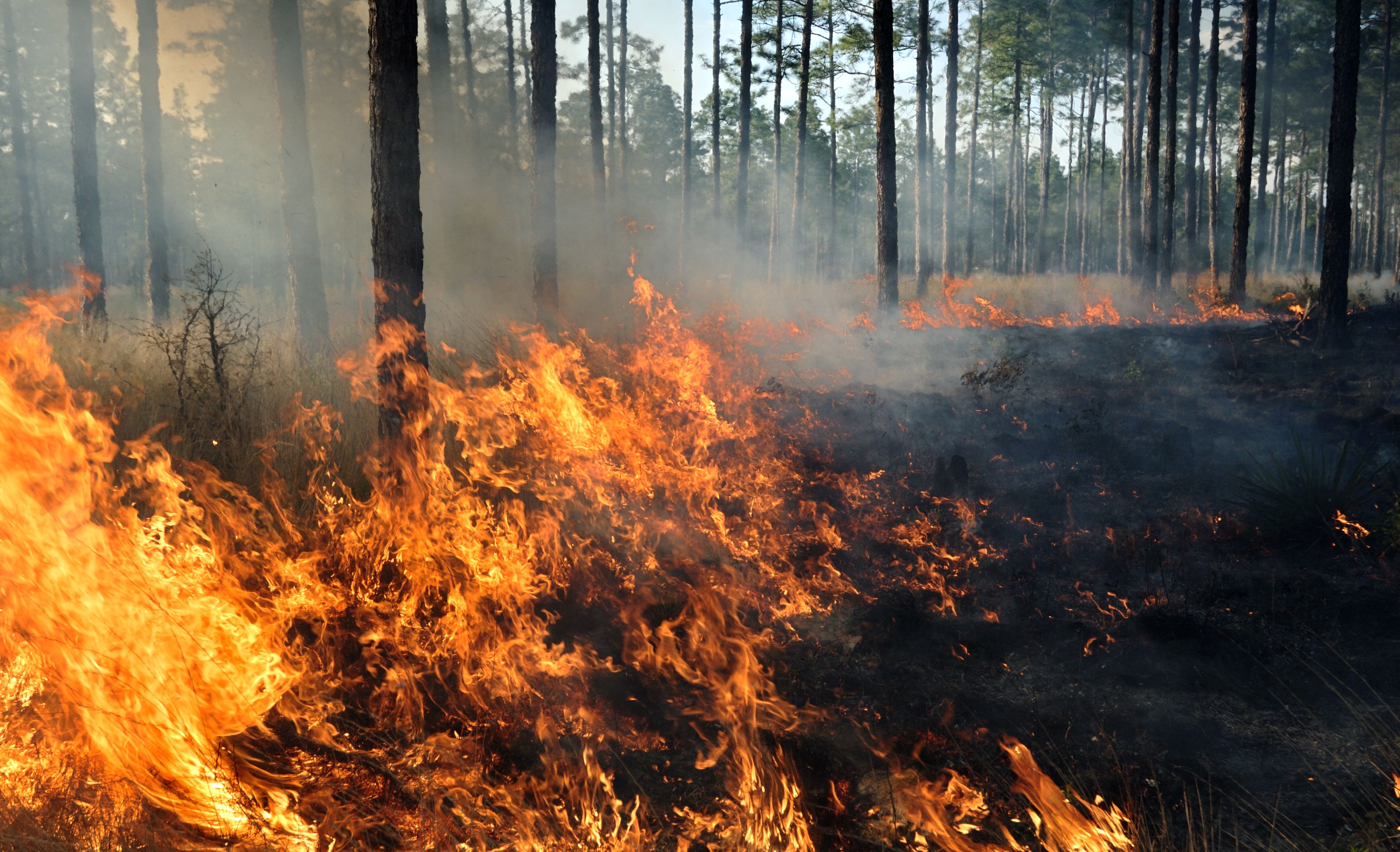
Clarkson University Helps Launch FIRE-NET, a Regional Collaborative on Adirondack Wildfire Resilience
Clarkson University announced its leadership role in FIRE-NET: Adirondack Fire Futures, a National Science Foundation–funded collaboration designed to advance wildfire science, resilience planning, and convergent research across northern New York. NSF Award #2536051 supports a summer symposium and a series of convenings that unite regional expertise in engineering, forestry, ecology, sustainability, and community engagement.
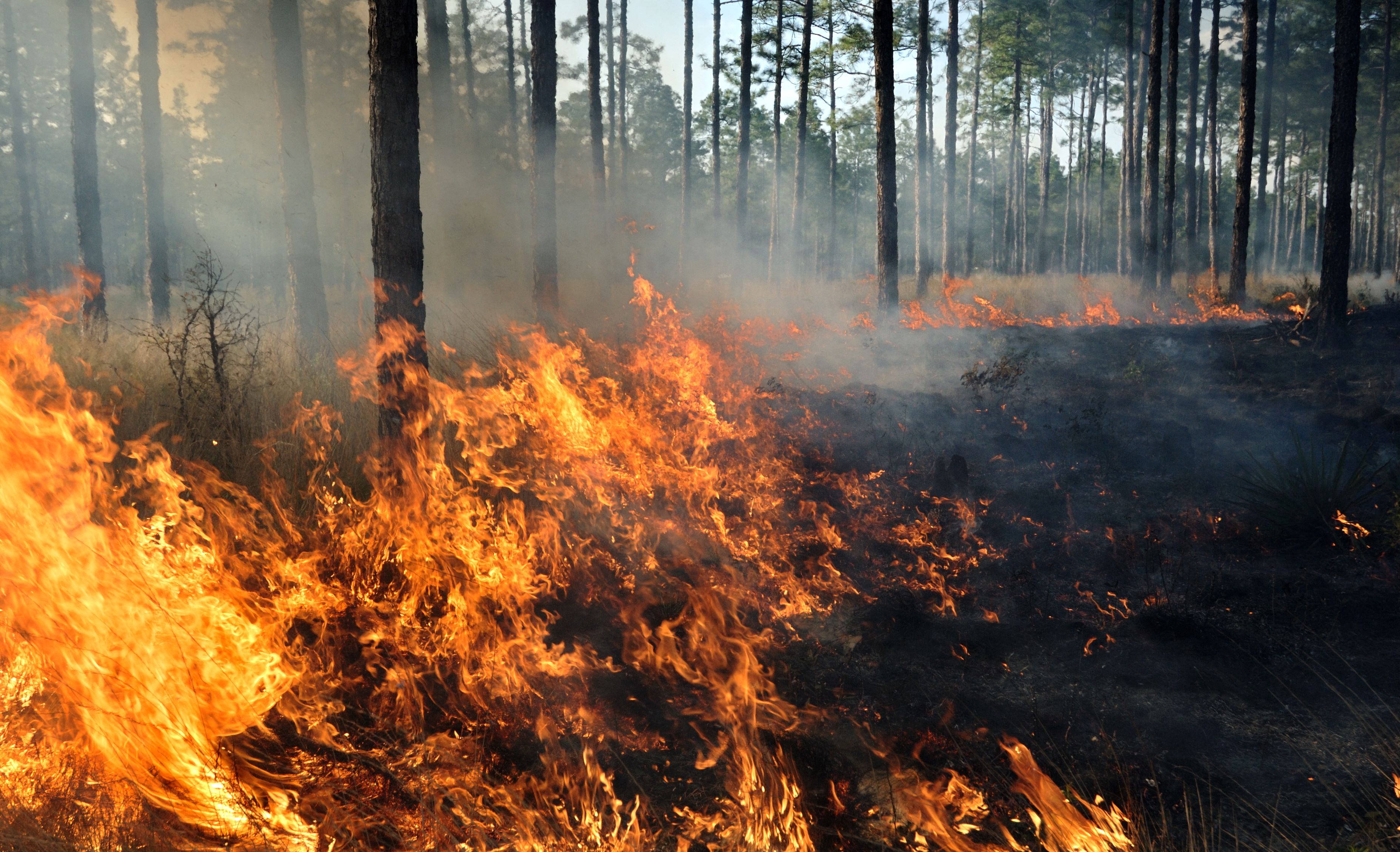
Clarkson’s faculty began organizing the network in spring 2025 after severe smoke events underscored the vulnerability of the Adirondacks and North Country to climate-driven wildfire impacts. They are building on the outstanding leadership of The Wild Center in Tupper Lake. Researchers such as Professor Susan Powers (lead PI), Professor Leo Jiang (co-PI) and Assistant Professor Nicholas Tepylo (co-PI) have been at the forefront of innovations in air-quality sensing, sustainability, power systems resilience, and drone-based environmental monitoring.
Co-PI Stephen Casper emphasized that FIRE-NET is fundamentally collaborative. “The Adirondacks demand positive-sum solutions. Clarkson’s role is not to direct the region, but to facilitate the scientific, educational, and community conversations that must happen together.”
The collaboration has also been supported by BlueLine Magazine—a long-standing publication dedicated to Adirondack culture, environment, and community life—which is proudly amplifying the collaboration's communication goals across the region.
FIRE-NET links Clarkson with Paul Smith’s College, SUNY ESF, SUNY Potsdam, SUNY Oswego, St. Lawrence University, and community partners such as The Wild Center. The network builds on Clarkson’s legacy of environmental research and translational engineering by embedding technical expertise within broader discussions of forest ecology, cultural history, Indigenous knowledge, and community preparedness.
“Resilience depends on partnerships,” Powers said. “FIRE-NET exemplifies Clarkson’s commitment to region-wide efforts for community resilience to changing climate conditions. We all need to work and learn together to understand wildfire risk, integrate local knowledge, and help communities adapt.”