Clarkson University Graduate Student Recognized for Lunar Dust Research at National Conference
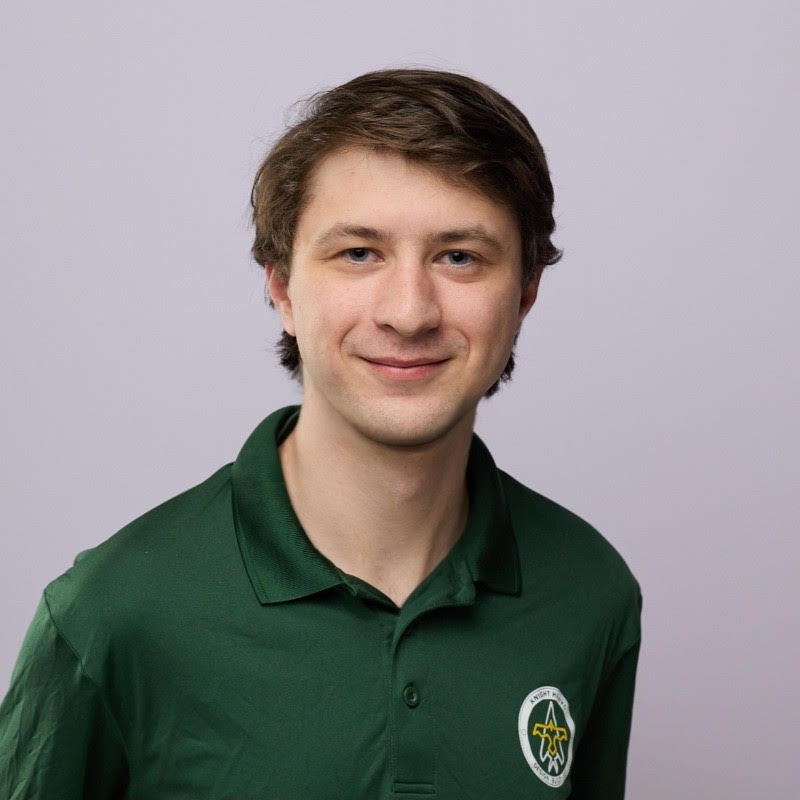
Clarkson University graduate student Dmitri Childs has been recognized as one of the top 10 student presenters at the 2026 Annual Conference of the American Association for Aerosol Research (AAAR) for his research on technology that could help protect astronauts and equipment from lunar dust.
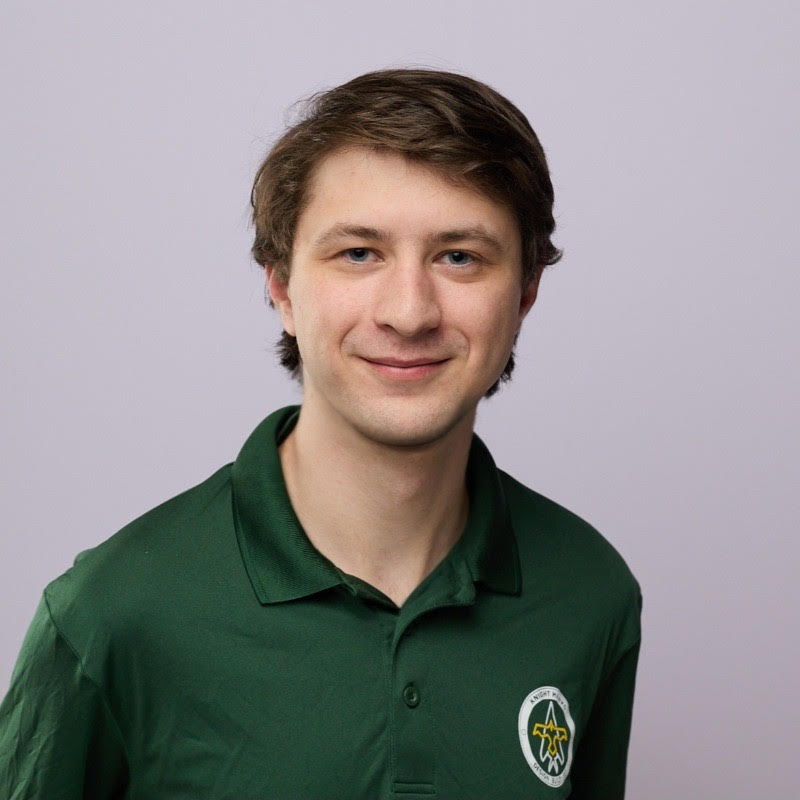
Childs received a Best Student Platform Presentation award for his presentation, “Extracting Lunar Simulant Size Distributions from OPERA's Multi-Channel, Multi-Wavelength Sensor Data.” The recognition places him among the top student presenters at one of the leading conferences for aerosol scientists and engineers.
Lunar dust presents a significant challenge for astronauts and equipment operating on the moon. Its fine, jagged particles can cling to spacesuits, damage seals and mechanical components, and pose respiratory risks when brought inside spacecraft and habitats.
As NASA advances its Artemis program, which aims to establish a sustained human presence on the moon, understanding the size and concentration of lunar dust particles is critical to protecting astronauts and maintaining equipment.
Childs' research focuses on OPERA (Opto-Electrical Real-time Aerosol Sensor), a compact optical sensor that uses light scattered by airborne particles to measure their characteristics. By analyzing signals collected across multiple detection channels and wavelengths, researchers can determine the size distribution of dust particles.
His work demonstrated how the sensor's data can be used to identify particle size distributions in simulated lunar dust, potentially paving the way for compact, low-power monitoring systems that could operate in spacecraft, lunar habitats and airlocks.
Unlike conventional laboratory instruments, which can be too large or require too much power for space applications, the technology could provide real-time dust monitoring in environments where space and energy are limited.
Childs conducts his research under the guidance of Suresh Dhaniyala, Bayard D. Clarkson Distinguished Professor of Mechanical and Aerospace Engineering at Clarkson University.
The NASA-funded research was conducted in collaboration with Sreekesh Kookkal, a research associate at Clarkson, and Marit Meyer of NASA.