Clarkson University and Canton Central School Expand Sustainability Partnership with Support from Constellation’s Energy to Educate Grant
Clarkson University and Canton Central School District are deepening their long-standing collaboration on food-waste reduction and renewable energy education thanks to new funding from Constellation’s Energy to Educate (E2) grant program. The initiative is part of more than $500,000 in E2 grants awarded nationwide during American Education Week to support hands-on STEM and clean energy projects reaching over 31,000 students.
Clarkson’s project, Food Waste to Energy: Developing a Green Energy Mindset by Growing a University–K12 Resource Recovery Partnership, was one of 24 selected from nine states after a competitive review. The program aligns with Constellation’s focus on expanding access to energy education, supporting sustainability, and inspiring future clean-energy leaders.
Through the grant, Clarkson will expand its partnership with Canton Central School to bring renewable energy and resource recovery education to students from grades 2 through 8, and will offer a project class to engage undergraduate students in projects related to food waste management and renewable energy. The effort centers on Clarkson’s anaerobic digestion systems that convert cafeteria food waste into biogas - both on campus and at the Cornell Cooperative Learning Farm in Canton. Through the project class, university students will help operate the systems, connect with Clarkson alumni at Constellation to learn about careers in energy, and mentor K-12 students to educate and expand the school food waste program.
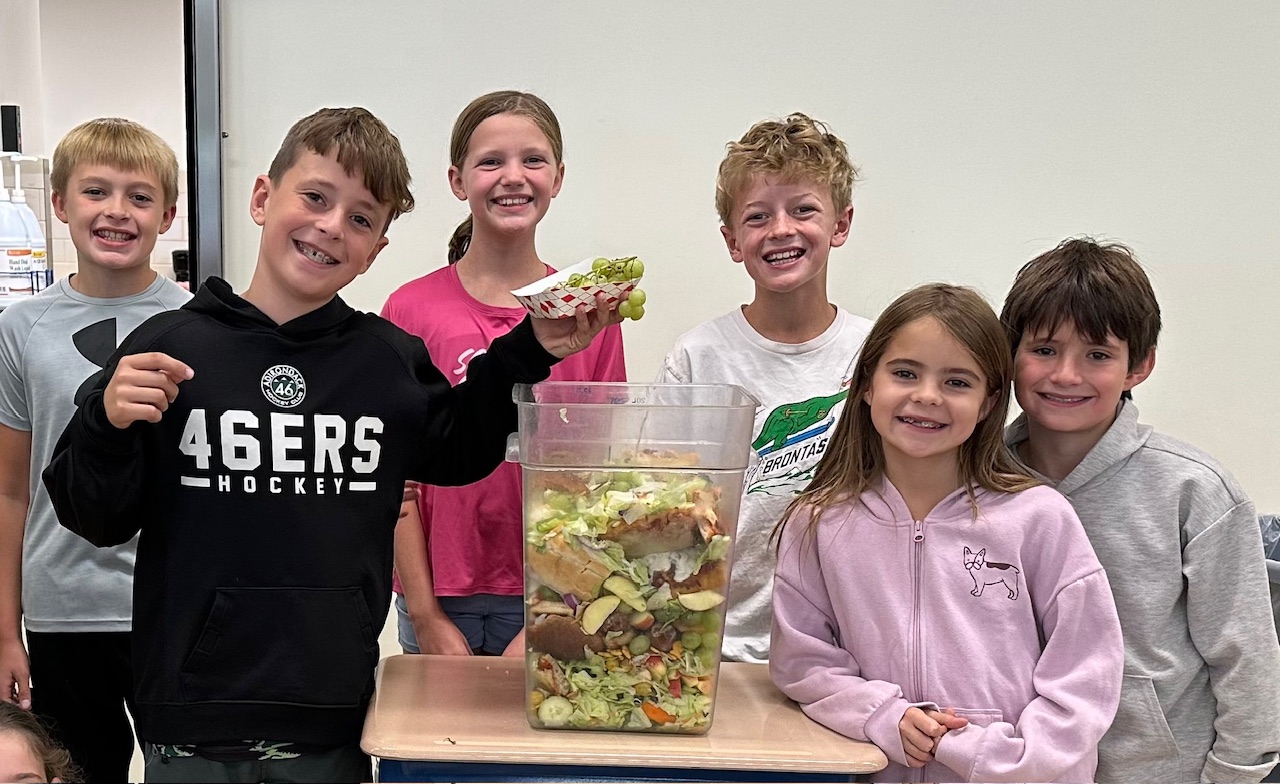
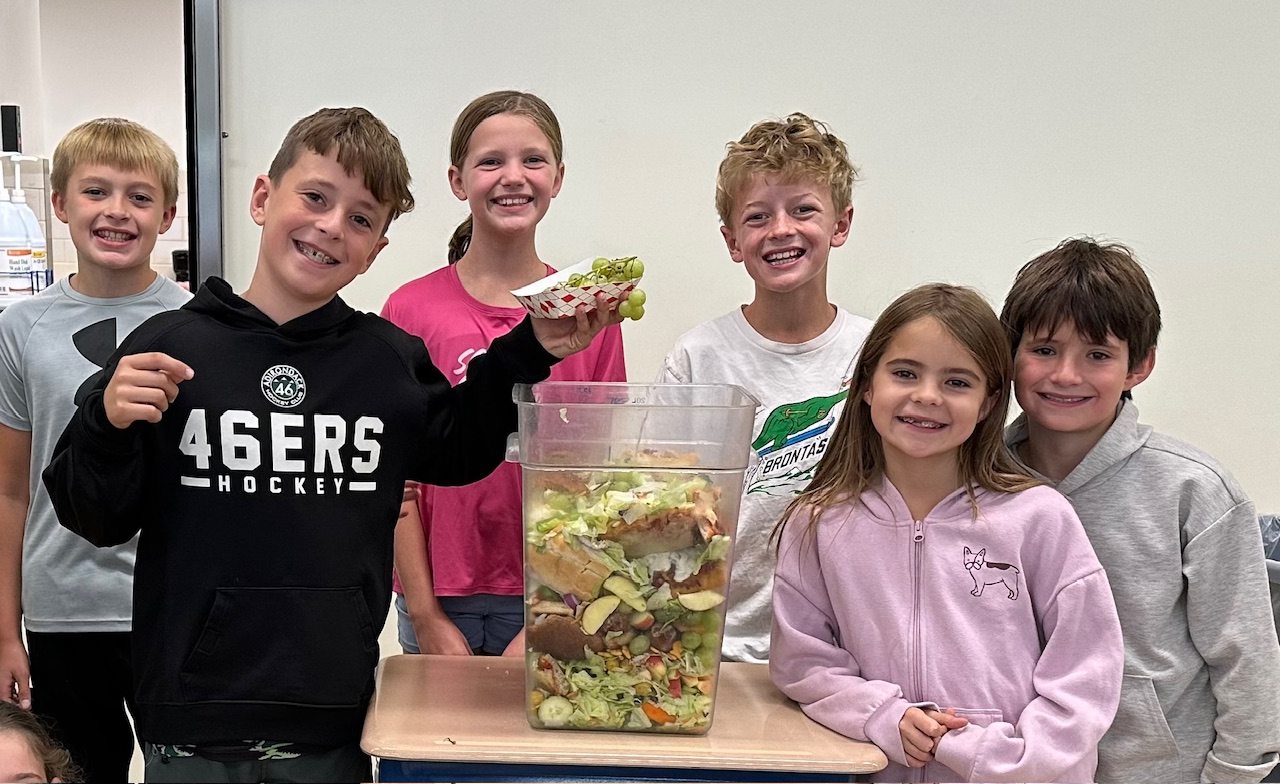
Canton Central’s Green Team—an environmental and sustainability club for students in grades 5–8—has collaborated with Clarkson for several years. The club conducts weekly meetings and hands-on projects focused on environmental science, gardening and wellness. Green Team Advisor and Special Education Teacher Megan Bonner said the expansion marks a major step forward.
“Our students already collect and sort cafeteria food waste and learn directly from Clarkson students and faculty,” Bonner said. “It’s been an inspiring, authentic STEM experience. This year, thanks to the grant, we’re extending the program into the elementary school, introducing sustainable practices earlier and giving our middle schoolers leadership and mentoring opportunities.”
Nearly 440 elementary students will now participate through new classroom lessons, cafeteria food-waste systems and peer mentoring from middle school Green Team members. In total, the project will engage 97 Green Team students, with between 60 and 80 expected to participate directly in hands-on activities.
Program components include classroom lessons and outreach at Canton and on campus, data analysis of cafeteria food waste, field trips to Clarkson’s anaerobic digestion facilities, and opportunities for K–12 and Clarkson students to meet clean-energy professionals and alumni.