Clarkson Students Present Research on Autonomous Vehicle Navigation System for Construction Zones
Autonomous vehicles depend heavily on preprogrammed maps and routes, creating a major safety challenge when road conditions suddenly change in construction and work zones. Clarkson University students Robert Arcate and Sean Willis are researching ways to help autonomous vehicles safely adapt to those unpredictable environments in real time.
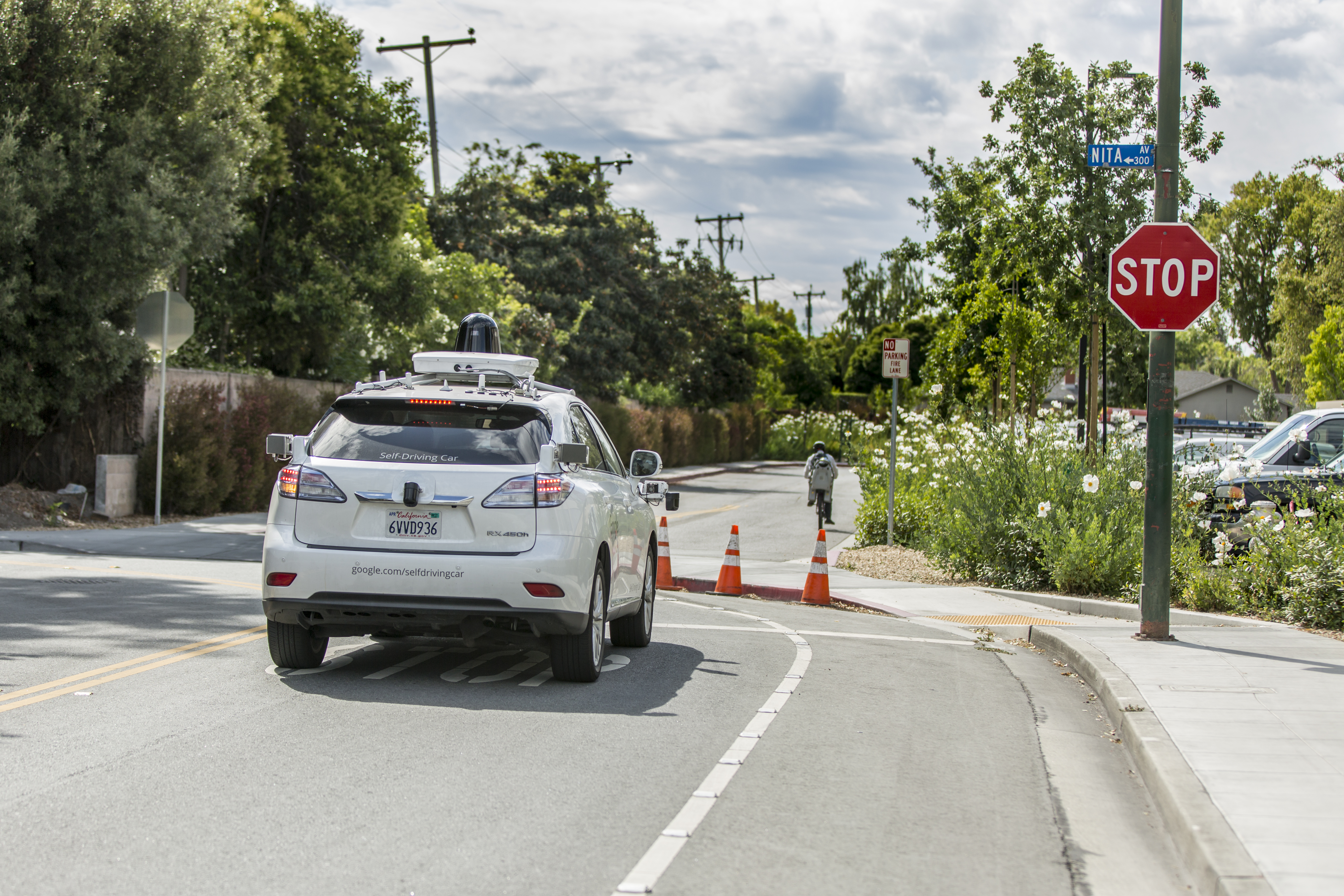
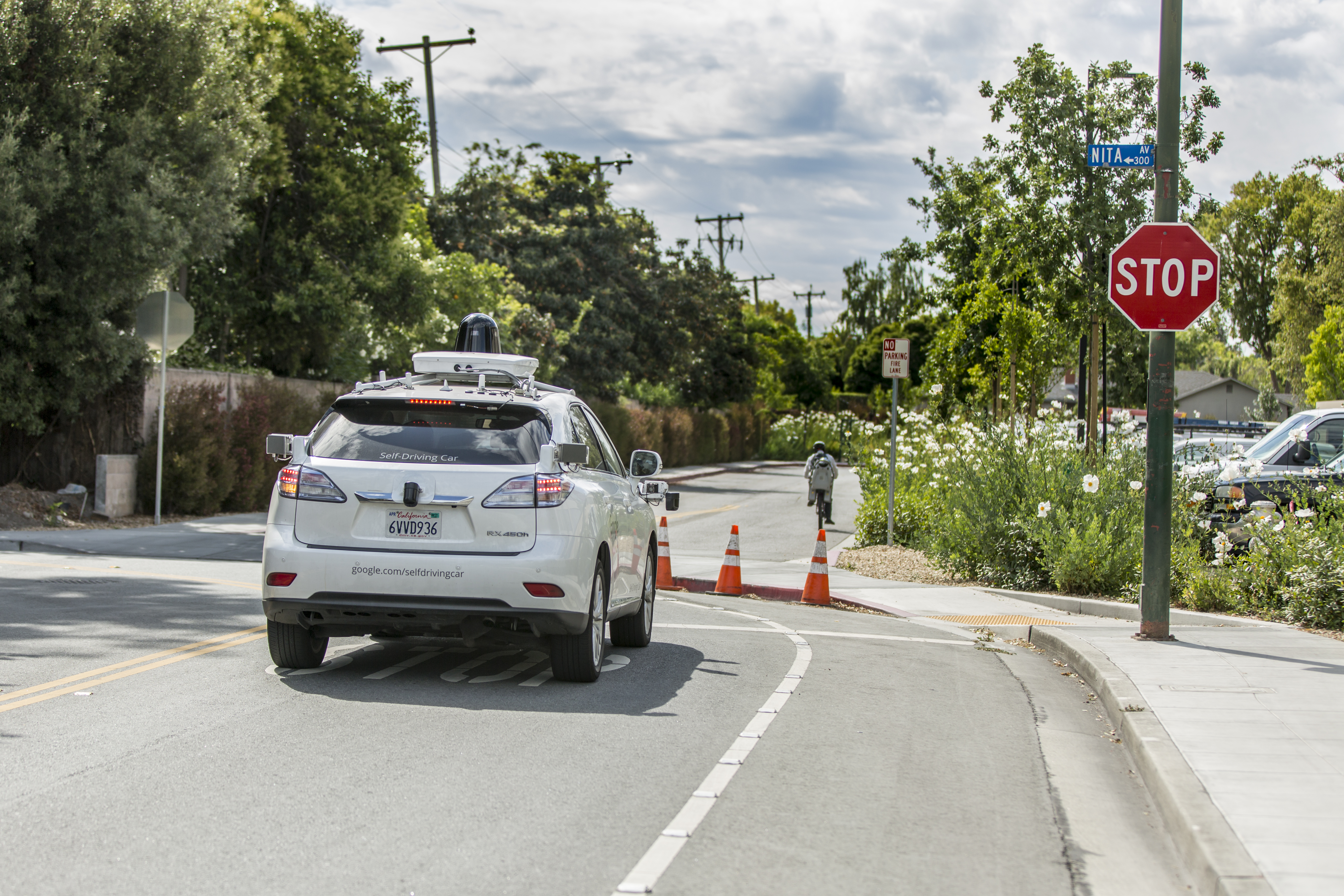
Their project, “Ad-Hoc Route Navigation in Construction Zones for Autonomous Vehicles,” focuses on enabling autonomous vehicles to detect temporary roadway obstacles — including traffic cones, lane shifts, and road closures — and automatically generate alternate routes to safely navigate around them.
Working under the guidance of Chen Liu, professor in Clarkson’s Department of Electrical and Computer Engineering, the team developed a system that uses onboard technologies including depth cameras, LiDAR, GPS, and additional sensors to identify construction barriers and determine the geographic coordinates of traffic cones. That data is then used to update the vehicle’s map information and reroute the vehicle safely through changing roadway conditions.
The research addresses a growing concern for the future of autonomous transportation: how self-driving vehicles can safely operate in dynamic, real-world environments where traffic patterns may change rapidly and without warning. Construction zones remain particularly difficult for autonomous systems because many navigation platforms rely on static maps that may not reflect temporary road conditions.
Beyond improving immediate navigation and roadway safety, the research also explores how newly generated detour routes could eventually be incorporated into broader mapping systems. Researchers say that capability could reduce future computing demands for autonomous vehicles navigating similar construction scenarios.
The project was developed in collaboration with V-Markings, a company that provides real-time roadway updates and mapping data to the autonomous vehicle and high-definition mapping industries. The partnership helped connect the team's research to real-world transportation challenges and industry needs. V-Markings President and Co-founder Kevin MacVittie, a Clarkson alumnus who earned a bachelor's degree in 2011 and a Ph.D. in 2014, has helped advance technologies that improve the accuracy and timeliness of roadway information used by autonomous vehicle systems.
The Clarkson team recently earned fourth place in the 2026 Designs for Safety Competition at the World Traffic Safety Symposium, held earlier this month in conjunction with the New York International Auto Show at the Javits Center in New York City.
Arcate graduated in December 2025 with a master’s degree in electrical and computer engineering and is from Clifton Park, New York. Willis, a doctoral student in electrical and computer engineering, is from Bainbridge, New York.