Image
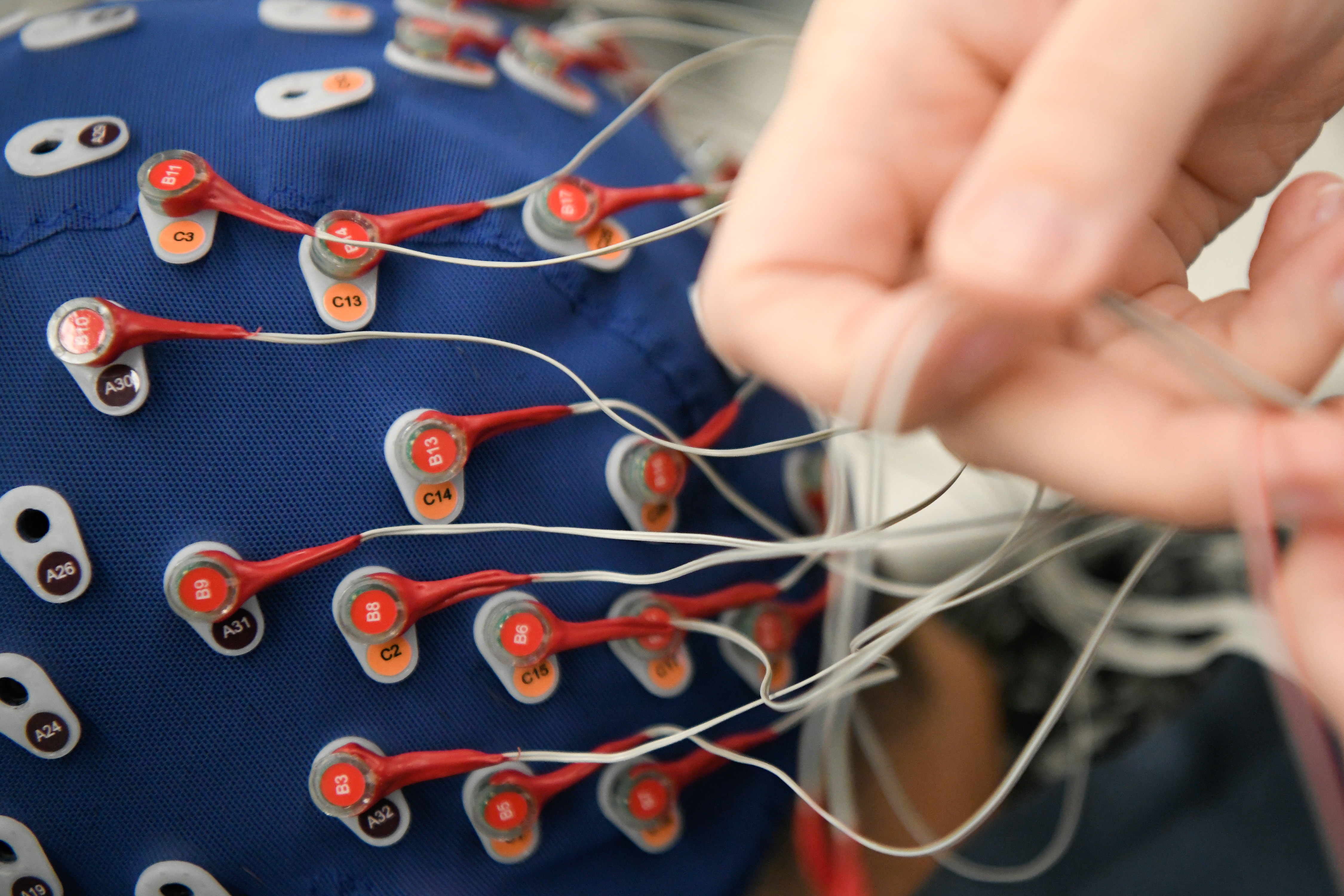
Building on decades of excellence in psychology, behavioral science, and the teaching of neuroscience, Clarkson University is launching a new Bachelor of Science in Neuroscience to prepare students to understand the connections between brain, behavior, and human experience, while connecting the study of the brain to healthcare, biotechnology, artificial intelligence, and data science.
Find Out More About the Neuroscience Major
The new program comes as demand grows for professionals who can work across those disciplines. Neuroscience research roles are projected to grow 15% through 2031, with particularly strong demand for professionals who combine expertise in areas such as neuroscience, artificial intelligence, data analysis and experimental design, according to Research.com, citing U.S. Bureau of Labor Statistics data.
Clarkson’s interdisciplinary major brings together biology, psychology, chemistry and computational science, allowing students to study the brain from molecules and cells to cognition and behavior. Experiential learning is built into the program, with every student completing at least one semester of directed laboratory research or a senior thesis.
Students will develop practical skills in designing experiments, analyzing neural and behavioral data using statistical and quantitative tools, evaluating scientific evidence and communicating their findings. Those skills can support pathways into healthcare, biomedical research, biotechnology, pharmaceuticals, data science and emerging neurotechnology.
Students can tailor the degree to their career goals through specialization tracks in cognitive science, neurobiology and computational neuroscience, as well as a general neuroscience track. The computational neuroscience track incorporates mathematics, computer science and machine learning, preparing students interested in areas including artificial intelligence and biomedical signals.
Learning can also extend beyond campus laboratories through internships, co-ops and professional experiences. Clarkson’s partnerships with local psychiatric and mental health facilities provide opportunities for undergraduates to observe clinical work alongside psychiatrists, psychologists, social workers and other members of mental health teams.
For students interested in health professions, the curriculum can support advising tracks including medicine, physician assistant studies, physical therapy, occupational therapy, dentistry and pharmacy. Its flexibility can also allow students to pair neuroscience with another area of study.
The new major expands Clarkson’s options for students looking to turn an interest in the brain and behavior into preparation for careers and continued education across health, science and technology.